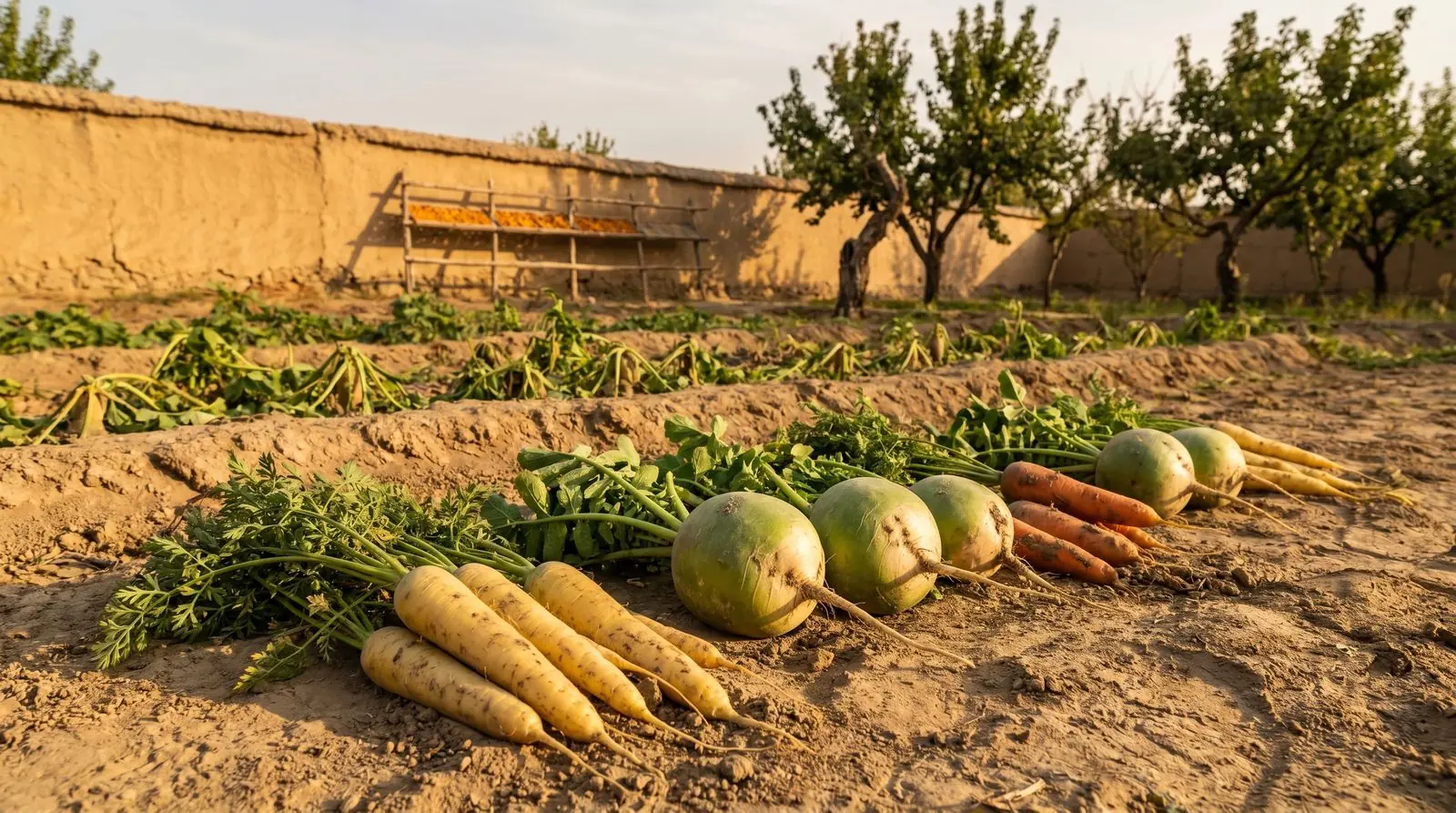
Devzira rice: the grain for Uzbek plov
Devzira is an heirloom rice from the Fergana Valley, the traditional grain for wedding and holiday plov. Its lightly milled, reddish grains carry a red stripe and a surface powder. Rinse it five or six times until the water runs clear, then soak it two to three hours in warm water before cooking.
What is devzira rice?
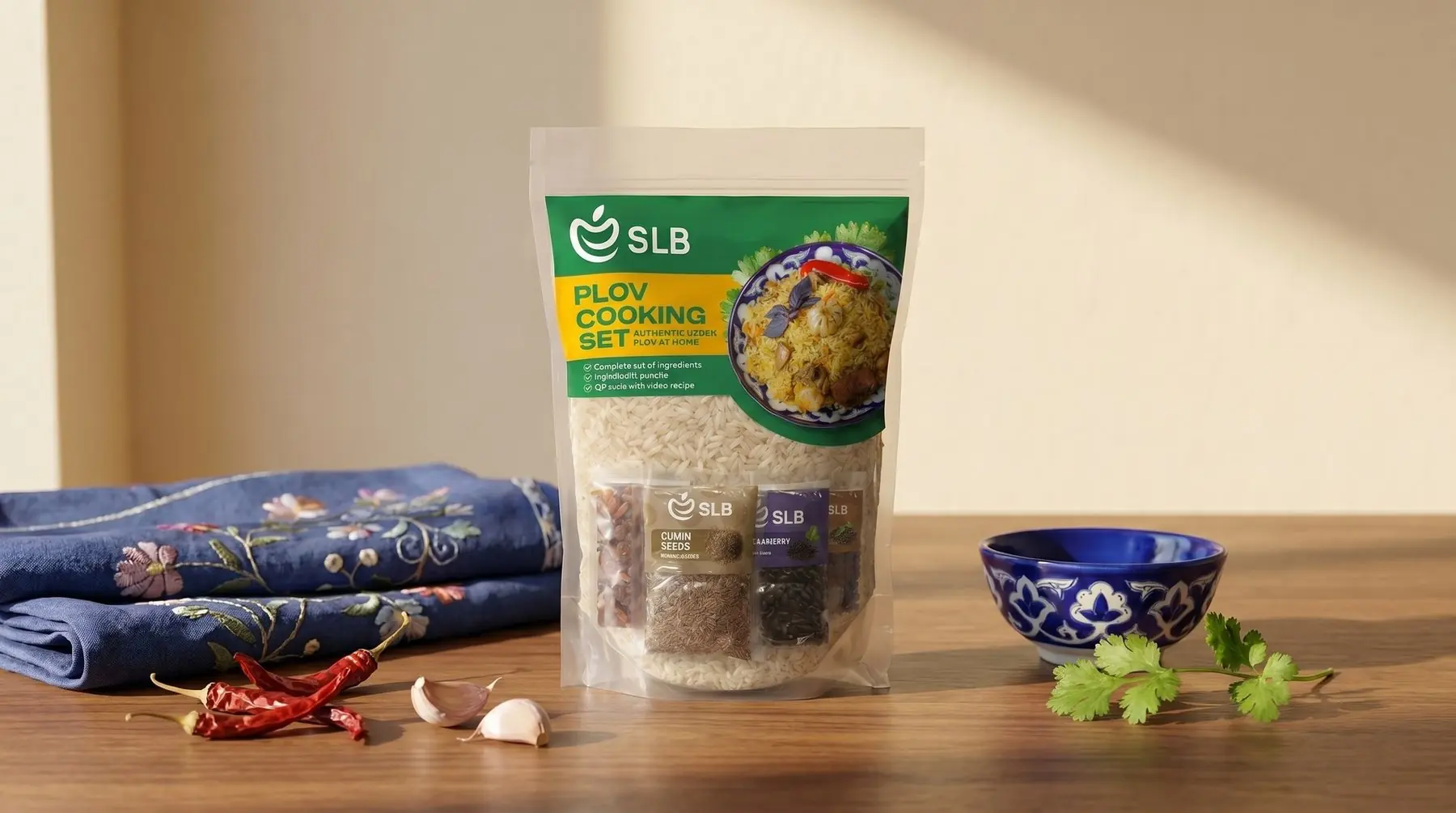
Devzira is an heirloom rice grown in the Fergana Valley, the region spread across Uzbekistan and its neighbours in Central Asia. There it is the rice cooks choose for osh, the plov served at weddings and on holidays. SLB LATVIA supplies it as Devzira rice for plov in 800 g bags.
The name covers a local landrace rather than one modern variety, and traders do not always mean exactly the same grain by it, so it is worth looking at the rice itself.
The reddish grain and its surface powder
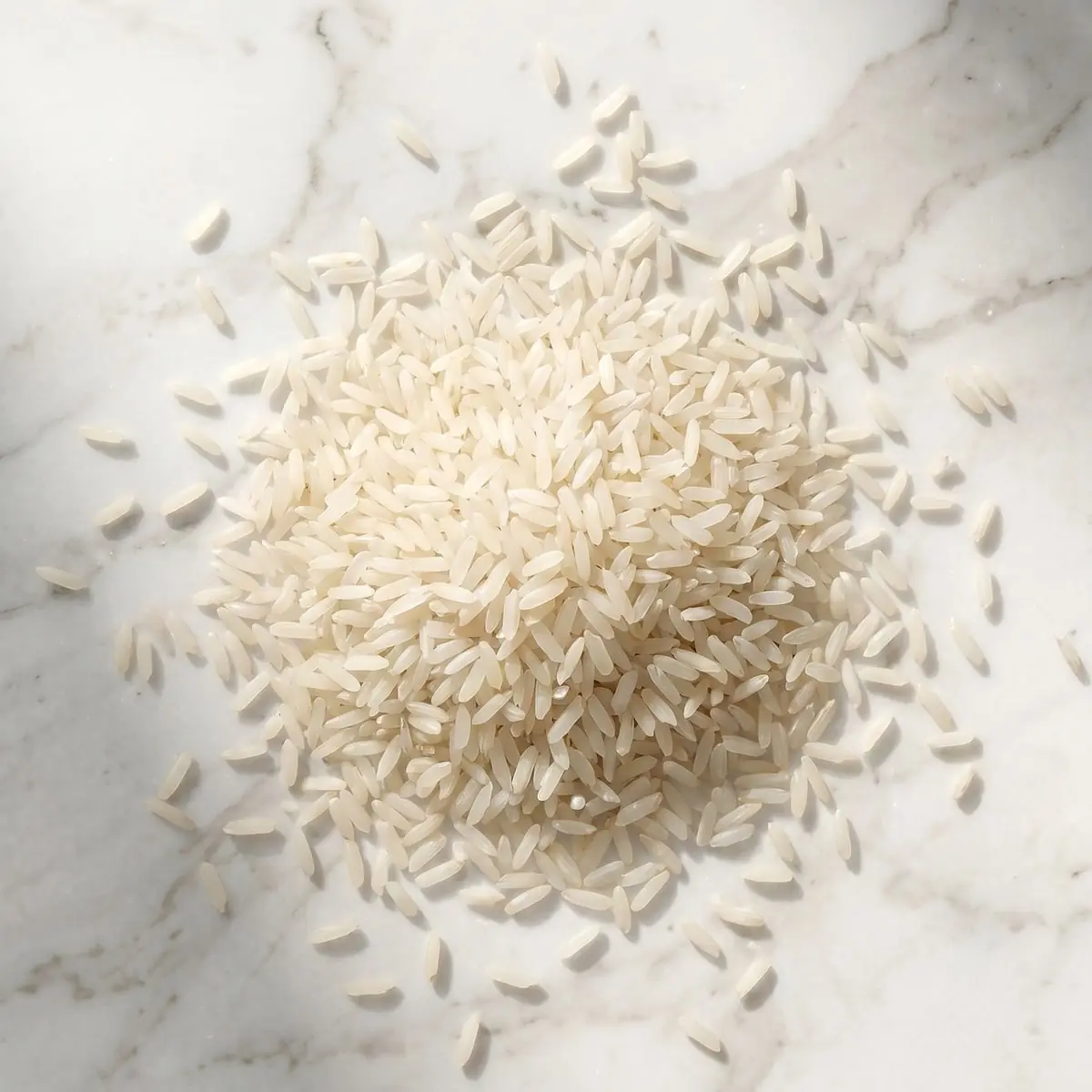
Devzira is only lightly milled, so each grain keeps much of its bran. It is reddish, with a red stripe running the length of the grain, and it is denser and harder than polished white rice.
Light milling leaves a fine powder on the surface of the grain. It rinses off easily, and washing it away is simply part of preparing the rice, not a sign that anything is wrong.
How to rinse and soak devzira
Rinse devzira five or six times, changing the water each time, until the water runs clear and the surface powder is gone. Then soak the grain for two to three hours in warm water, so it takes up moisture before it goes into the hot zirvak.
The long soak suits devzira because the grain is dense and only lightly milled; polished rice needs far less time. For the rest of the dish, from the zirvak to the steaming, see our guide to rice for Uzbek plov.
Devzira, lazer, alanga and basmati
SLB LATVIA stocks several rices used for plov. Devzira is the festive grain of the Fergana Valley; lazer and alanga are polished long-grain rices for everyday plov; basmati is aromatic and belongs more to other dishes.
| Rice | Grain | In plov | Rinsing and soaking |
|---|---|---|---|
| Devzira | Lightly milled and reddish, with a red stripe | The traditional rice for wedding and holiday plov | Rinse 5-6 times, soak 2-3 hours |
| Lazer | Polished, long and slender white grain | Light, separate grains for everyday plov | Rinse until clear, soak 15-30 min |
| Alanga | Polished, large white grain | Softer, and takes up more water | Rinse until clear, soak 15-30 min |
| Basmati | Polished, long and aromatic grain | A possible substitute when devzira is hard to find, better suited to other dishes | Rinse, soak 15-30 min |
How to order devzira wholesale from SLB LATVIA
SLB LATVIA supplies devzira from Uzbekistan in 800 g bags, six bags to a case. You will find it in the rice, legumes and oils part of the catalogue, next to the lazer and alanga rice also used for plov.
To order, send the products you need, the number of cases or pallets and the delivery country through the enquiry form.
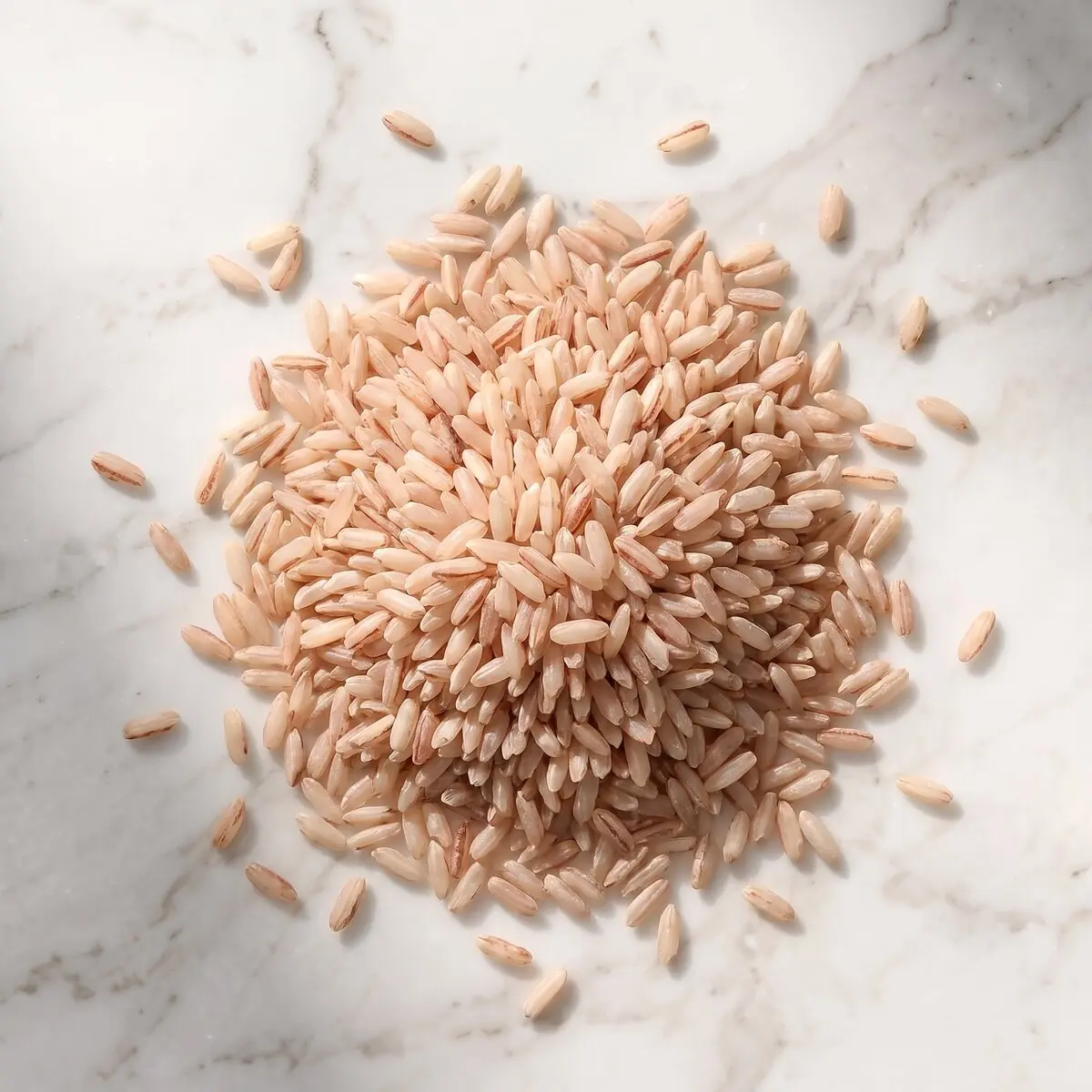
- Packaging
- PE bag, 800 g
- Origin
- Uzbekistan
- Units per case
- 6
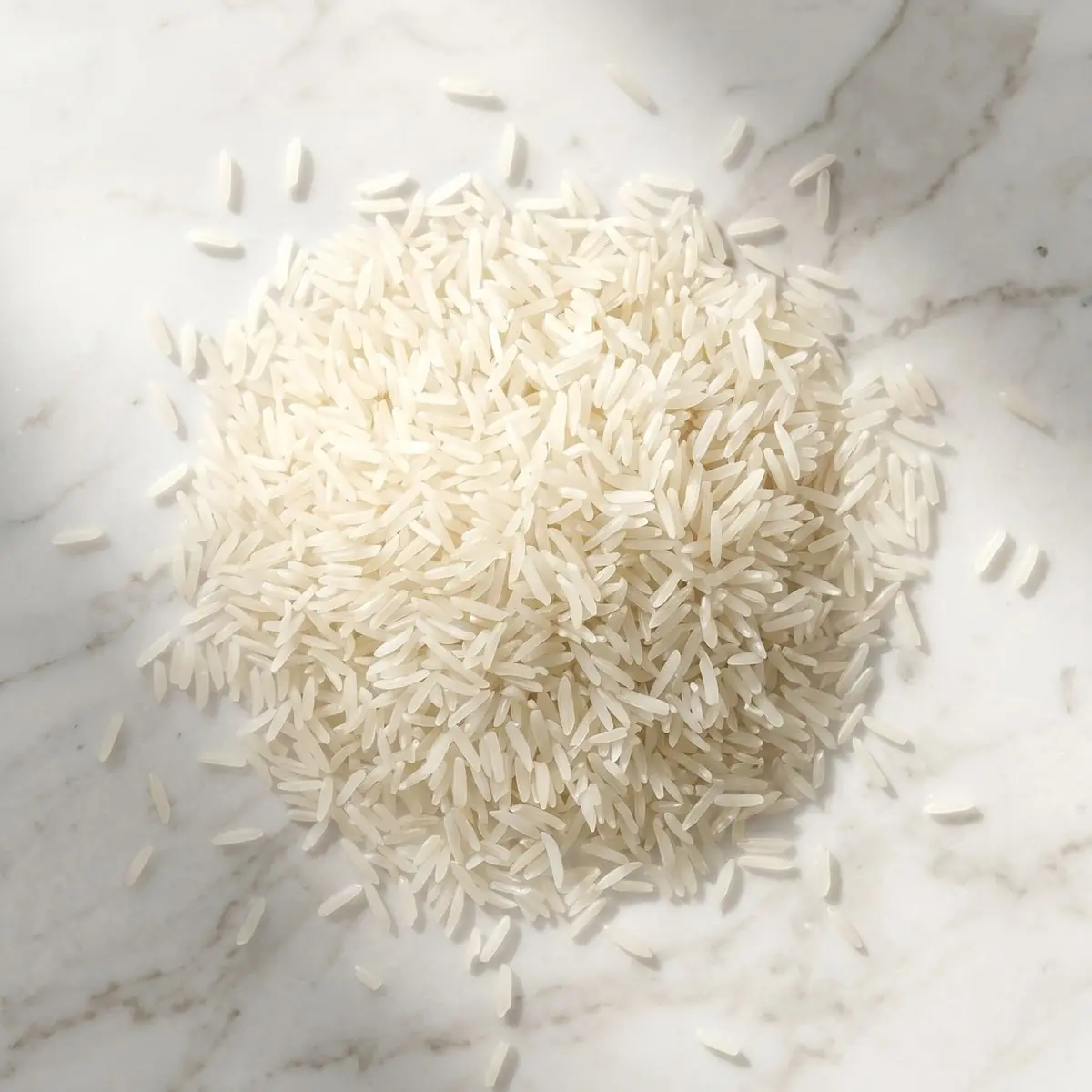
Lazer long-grain rice, polished
- Packaging
- PE bag, 1 kg
- Origin
- Uzbekistan
- Units per case
- 12
- Cases per pallet
- 96
- Packaging
- PE bag, 1 kg
- Origin
- Uzbekistan
- Units per case
- 12
- Cases per pallet
- 96