Uzbek dried apricots for wholesale buyers: kuraga, uryuk and sulphites
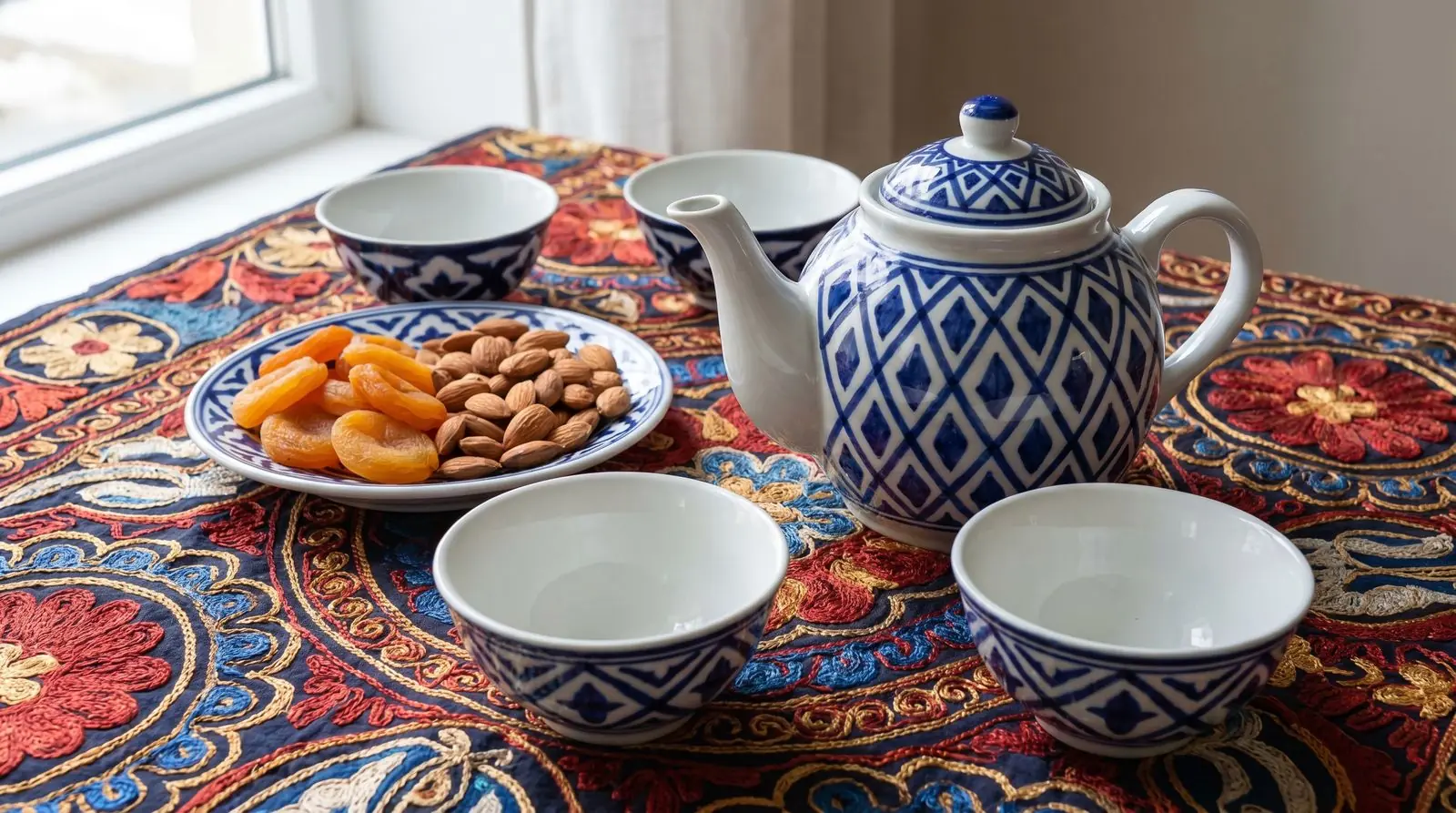
Kuraga is a dried apricot with the stone removed, traditionally dried in halves. Kaisa is the whole fruit with the stone pushed out, and uryuk is a small apricot dried whole with its stone. Bright orange fruit has usually been treated with sulphur dioxide, while untreated fruit dries brown. EU labels must declare sulphites above 10 mg/kg.
What is the difference between kuraga, kaisa and uryuk?
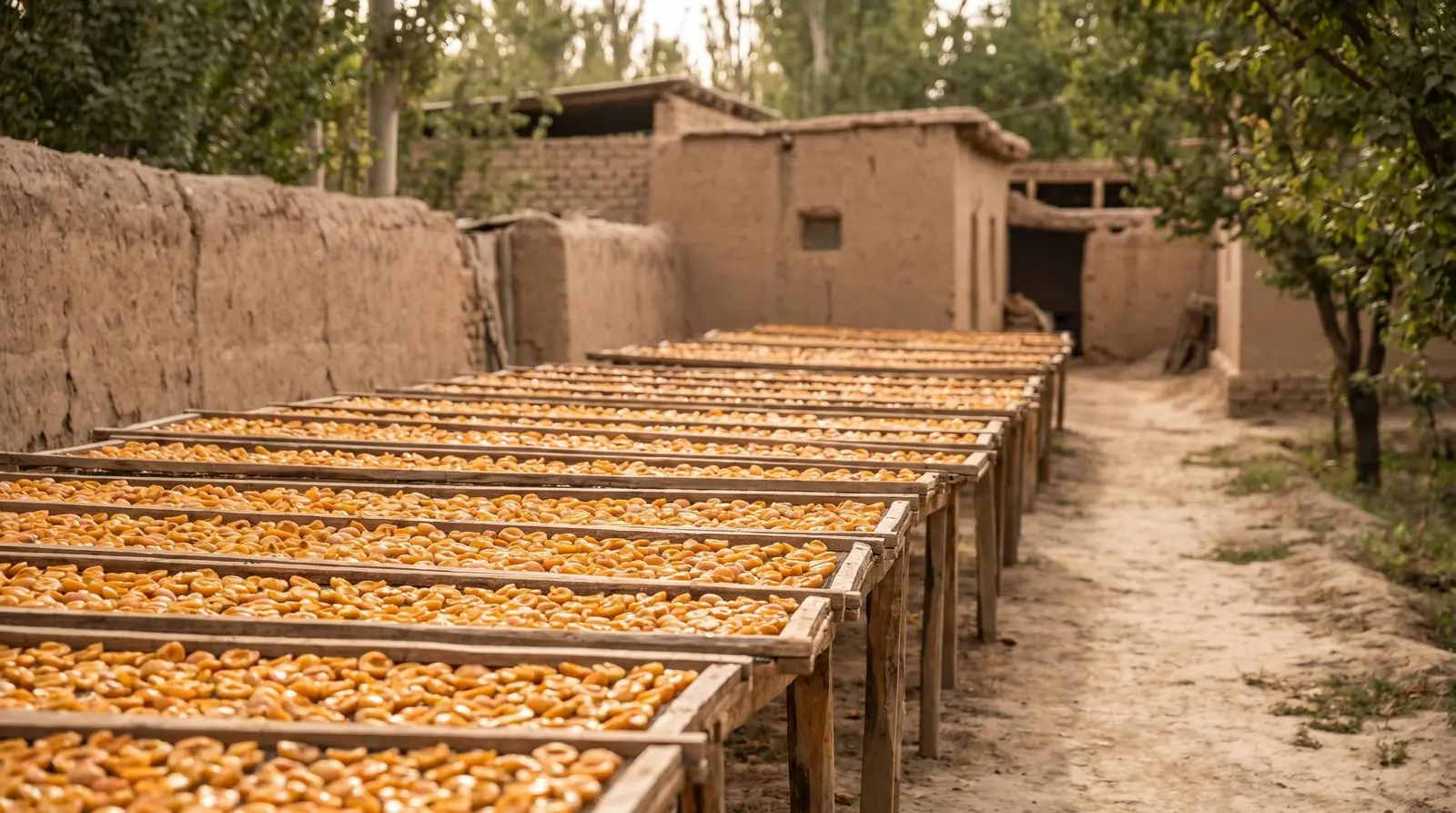
The three names are used in the Russian-speaking trade and describe how the fruit was prepared and dried rather than a variety. The Russian Great Encyclopedic Dictionary defines kuraga as apricots dried in halves without stones, kaisa as dried apricots whose stones were pushed out through the hollow at the stem, and uryuk as apricots dried whole with their stones.
Uzbek has its own words for these goods. Bargak is an apricot dried with the stone taken out. Turshak is an apricot sun-dried with its stone, usually from small varieties whose stone is hard to separate from the flesh.
| Trade name | What it is | Stone | Style in UNECE DDP-15 |
|---|---|---|---|
| Kuraga | Halves dried without the stone | Removed | Halves |
| Kaisa | Whole fruit, stone pushed out at the stem end | Removed | Whole, pitted |
| Uryuk (Uzbek: turshak) | Small fruit dried whole | Left in | Whole, unpitted |
The UNECE standard lists a fourth style, slabs: whole or half apricots of irregular shape that have lost their contour and dried flat at the rim. In the kitchen the style matters: uryuk has to be stoned or cooked whole, while kuraga and kaisa can be chopped or used as they are. SLB LATVIA sells its four lines under the trade name kuraga, but the fruit in all four is whole and pitted, not halved.
Why are some dried apricots bright orange and others brown?
Colour mostly tells you whether the fruit was treated with sulphur dioxide (SO2) before drying. Producers expose apricots to SO2 vapour to extend storage life and to stop the browning that otherwise darkens the fruit quickly. Uzbek descriptions of turshak make the same point from the grower's side: fumigating the fruit with sulphur before drying gives it colour.
Without that treatment apricots dry darker and brown, with a coarser texture. A 2017 study of dried apricots of the Turkish variety Alkaya measured more browning in unsulphured fruit than in sulphured fruit, and higher levels of aroma compounds in the unsulphured samples.
Brown colour on its own is no sign of spoilage. The UNECE standard lists freedom from visible mould, fermentation, living pests and foreign smell among the minimum requirements for every class. If the colour of a lot matters for your use, ask for its specification before you order from the dried fruit range.
What EU rules apply to sulphites in dried apricots?
Two EU regulations set the limits and the label wording.
| Rule | Legal source | What it means for dried apricots |
|---|---|---|
| Maximum level | Regulation (EC) No 1333/2008, Annex II, Part E, category 04.2.1 | E 220 to E 228 up to 2,000 mg/kg, expressed as SO2 from all sources |
| Trace threshold | Same entry, footnote 3 | Up to 10 mg/kg of SO2 is not considered to be present |
| Allergen | Regulation (EU) No 1169/2011, Annex II, point 12 | Sulphur dioxide and sulphites above 10 mg/kg, as total SO2, must be declared |
| How to declare | Regulation (EU) No 1169/2011, Article 21(1) | Emphasised in the list of ingredients, for example in bold; with no list, the word "contains" followed by the name |
| Additive name | Regulation (EU) No 1169/2011, Annex VII, Part C | Category name ("preservative") followed by the specific name or E number |
| Loose goods | Regulation (EU) No 1169/2011, Article 44(1) | Allergen information stays mandatory for non-prepacked food sold to consumers or mass caterers |
The 2,000 mg/kg limit applies only to dried apricots, peaches, grapes, prunes and figs; other dried fruit has lower limits. The figure comes from the consolidated text of 18 August 2026, so check the current version on EUR-Lex before you print labels. The group covers eight substances: E 220 sulphur dioxide, E 221 sodium sulphite, E 222 sodium hydrogen sulphite, E 223 sodium metabisulphite, E 224 potassium metabisulphite, E 226 calcium sulphite, E 227 calcium hydrogen sulphite and E 228 potassium hydrogen sulphite.
On a pack of sulphured fruit the list of ingredients might read: apricots, preservative: sulphur dioxide. Unsulphured apricots with no other ingredient need no list of ingredients when the name of the food identifies the fruit. If you put "unsulphured" or "no added sulphites" on the front, remember that food information must not mislead. A laboratory result for total SO2 per lot is practical evidence to keep on file.
How are dried apricots graded under the UNECE standard?
UNECE Standard DDP-15 (2016 edition) sets the commercial quality terms for dried apricots at the export-control stage. It has three classes: Extra, Class I and Class II. Sizing is mandatory for Extra and Class I, either by the number of fruit per kilogram or by diameter.
| Size code | Whole, unpitted, per kg | Whole, pitted, per kg | Halves per kg |
|---|---|---|---|
| 0 | fewer than 60 | fewer than 80 | fewer than 160 |
| 1 | 61-80 | 81-100 | 161-200 |
| 2 | 81-100 | 101-120 | 201-240 |
| 3 | 101-120 | 121-140 | 241-280 |
| 4 | 121-140 | 141-160 | 281-320 |
| 5 | 141-160 | 161-180 | 321-360 |
| 6 | 161-180 | 181-200 | 361-400 |
| 7 | 181-200 | 201-220 | 401-440 |
| 8 | 201 and over | 221 and over | 441 and over |
Moisture is capped at 25% for untreated dried apricots. Fruit treated with preservatives or preserved by other means, such as pasteurisation, may hold more than 25% and up to 40%, and between 32% and 40% it should be labelled "high moisture". Among the tolerances, pitted fruit may contain stones or stone fragments in no more than 1% of the fruit in Extra and Class I and 2% in Class II, and no class tolerates living pests. Each trade package is marked with the packer, style, class, country of origin and, if sized, the size. Variety, crop year, "naturally dried" and a best-before date are optional.
How long do dried apricots keep, and how should you store them?
SLB LATVIA gives its natural dried apricots and its other three lines a shelf life of 12 months in vacuum-sealed 200 g pouches. The storage instruction is a cool, dry place at +5 to +20 °C and relative humidity below 65%.
General trade guidance points the same way. The German insurers' Transport Information Service gives up to one year at 0 to 7 °C and 60 to 70% humidity. Above 20 °C, fruit sugar forms on the surface and the apricots harden and discolour. The same source advises protecting them from all moisture, since at 22% water content they are in equilibrium with air at 65% relative humidity, and keeping them away from onions, whose smell they pick up. The University of Georgia's National Center for Home Food Preservation recommends cool, dry and dark storage and estimates that most dried fruit keeps about a year at 16 °C but only six months at 27 °C.
How do HoReCa and retail buyers use dried apricots?
SLB LATVIA describes its lines for snacking, pastry fillings and breakfast dishes. In Central Asian cooking, sweet versions of plov with dried apricots and raisins are made for special occasions; our guide to rice for Uzbek plov covers the grain side of the dish. Uzbek sharbat, a sweet drink, is made by boiling dried fruit such as apricots, and uryuk goes mainly into compotes.
For bakeries colour matters: unsulphured fruit is brown and gives a darker filling than bright orange sulphured fruit. SLB LATVIA lists a separate line of confectionery dried apricots for this kind of use.
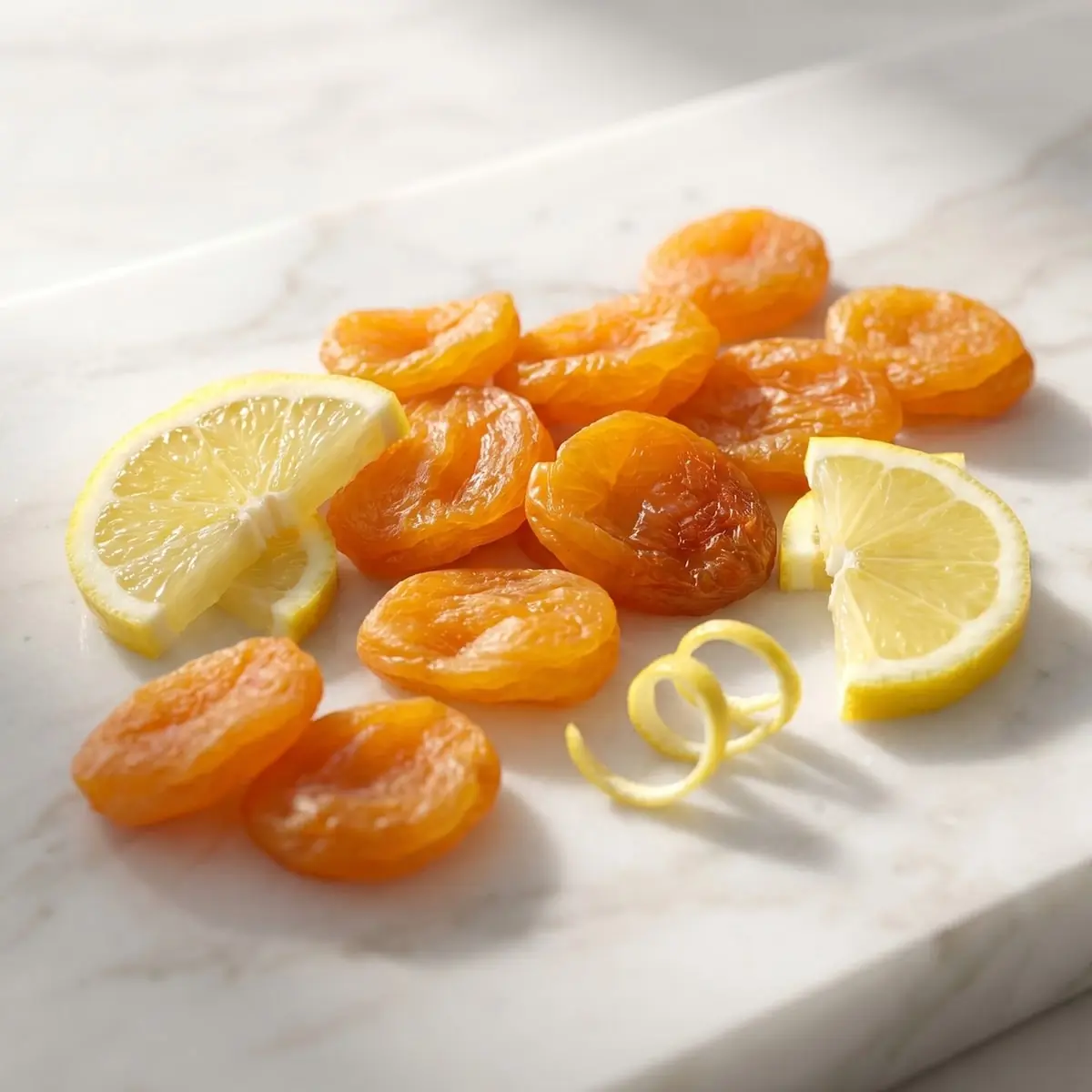
Retail buyers get the same 200 g vacuum-sealed pouch on every line, 24 pouches to a case. Besides the natural fruit, the range includes lemon dried apricots.
How to order dried apricots wholesale from SLB LATVIA
SLB LATVIA supplies four dried apricot lines from Uzbekistan: natural, Subkhan, confectionery and lemon, all of them whole apricots with the stone removed. Each comes in 200 g vacuum-sealed pouches, 24 pouches per case and 80 cases per pallet.
To order, send the lines, the number of cases or pallets and the delivery country through the enquiry form. It also helps to ask for the lot specification: style, size, moisture and the SO2 result.
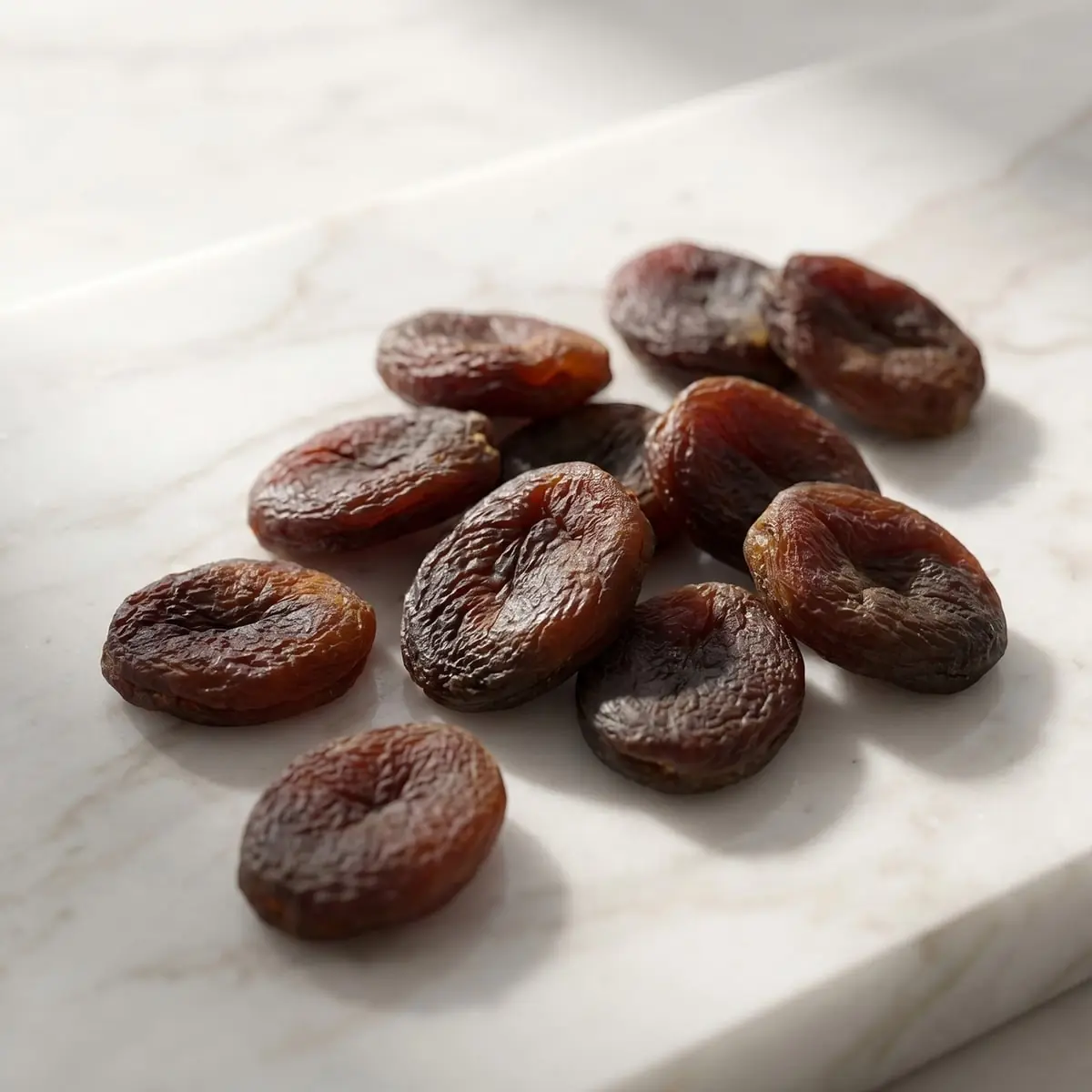
Natural dried apricots (kuraga)
- Packaging
- Vacuum-sealed pouch, 200 g
- Origin
- Uzbekistan
- Units per case
- 24
- Cases per pallet
- 80
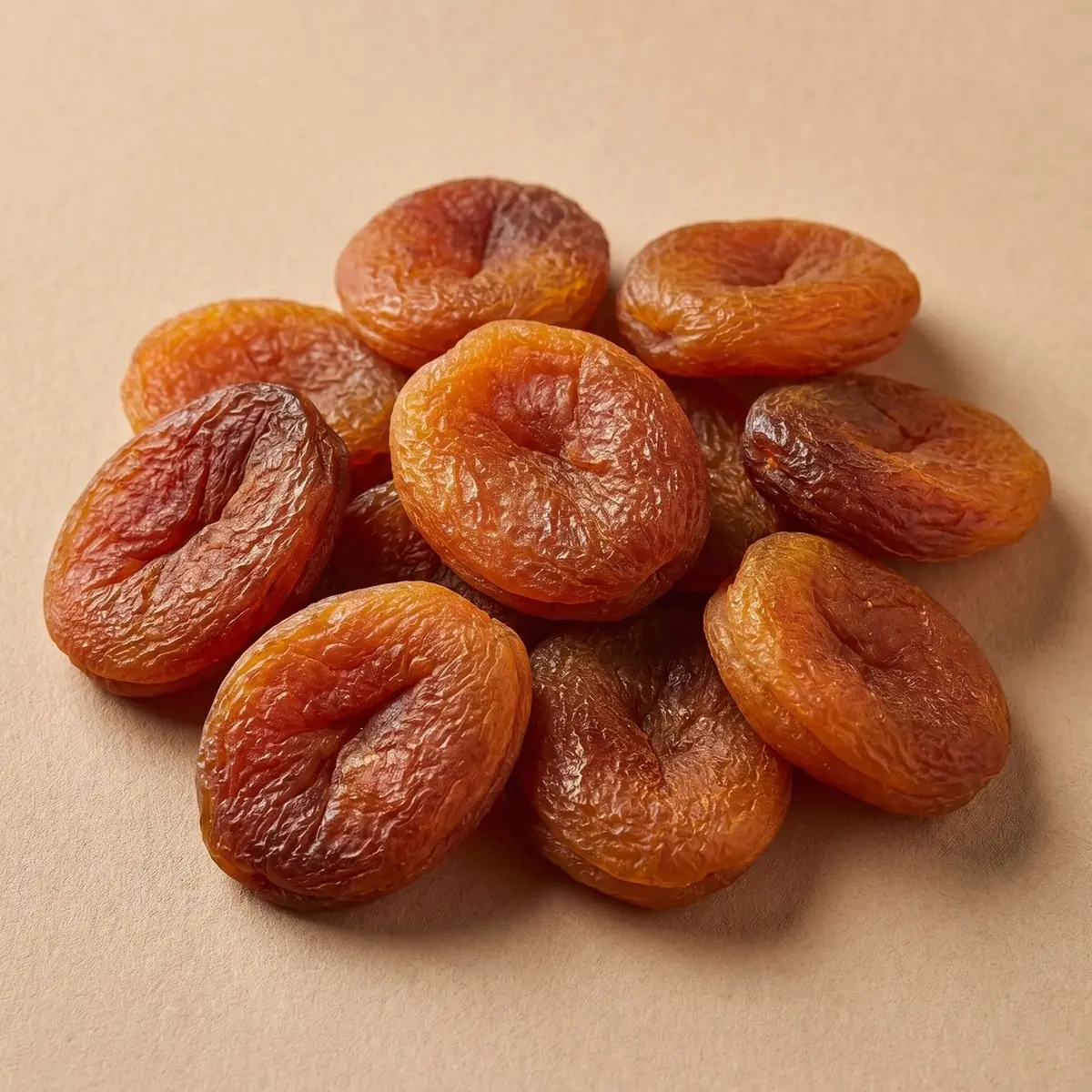
Subkhan dried apricots (kuraga)
- Packaging
- Vacuum-sealed pouch, 200 g
- Origin
- Uzbekistan
- Units per case
- 24
- Cases per pallet
- 80
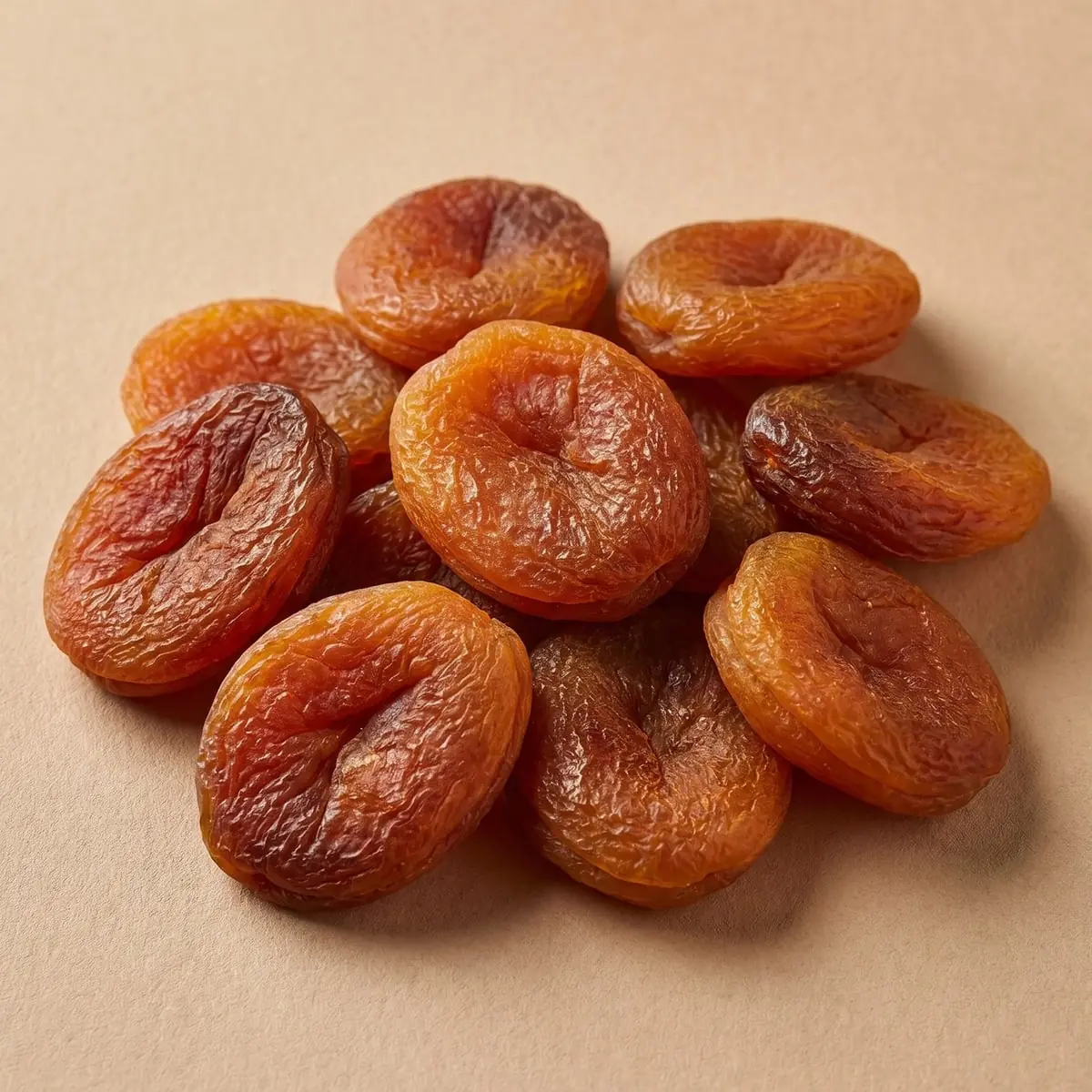
Confectionery dried apricots (kuraga)
- Packaging
- Vacuum-sealed pouch, 200 g
- Origin
- Uzbekistan
- Units per case
- 24
- Cases per pallet
- 80
- Packaging
- Vacuum-sealed pouch, 200 g
- Origin
- Uzbekistan
- Units per case
- 24
- Cases per pallet
- 80