Rice for Uzbek plov: which variety to choose
For Uzbek plov, choose a rice that soaks up the zirvak (the meat and carrot base) and still keeps its grains whole. Devzira from the Fergana Valley is the classic choice for festive plov. Lazer gives light, separate grains and forgives small mistakes. Alanga is softer and takes up more water. Basmati works as a substitute.
Which rice is best for plov?
In plov the rice cooks in the zirvak until it has absorbed the liquid, then steams under a lid. It should take up the flavour and still come out whole, each grain separate. Firm long-grain rice does this best. Round-grain rice releases more starch and turns sticky. Even if the pack says the rice is for plov, judge by the grain itself.
The choice also depends on the region. Fergana and Andijan cooks use devzira, Tashkent wedding plov is made with long-grain lazer, and in Khorezm plov is often cooked with the local alanga. In a 2004 taste test of seven rice varieties cooked as plov, consumers in Tashkent, Fergana, Namangan and Andijan liked devzira most.
Devzira, lazer, alanga and chungara: how do they differ?
These are the names you will meet in Uzbek recipes and at markets, with basmati added for comparison.
| Rice | Grain | In plov | Soaking |
|---|---|---|---|
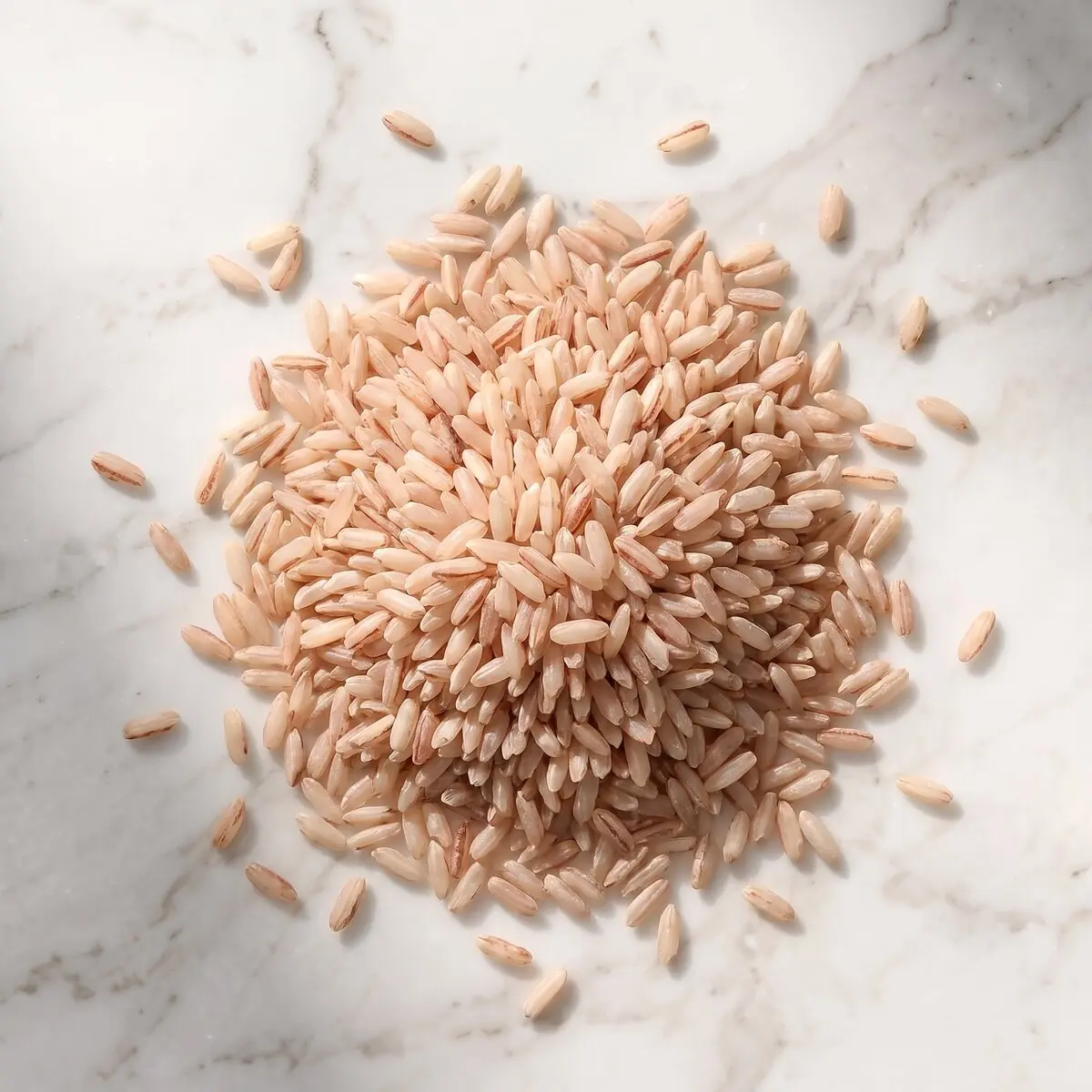
| Devzira | Lightly milled, dense and hard; reddish or pinkish brown, with a red stripe along the grain. Grown in the Fergana Valley. | Absorbs a lot of liquid, swells and stays whole. The classic rice for Fergana, Andijan and festive plov. | Rinse 5-6 times, then soak 2-3 hours in warm water |
| Chungara | White devzira from Kyrgyzstan: a matte, cream or yellowish grain, paler than red devzira. | Holds its shape the way devzira does. | As for devzira |
| Lazer | Long, slender, polished white grain. | Light, separate grains; forgives small mistakes. Used for Tashkent wedding plov. | Rinse until the water runs clear, then soak 15-30 minutes |
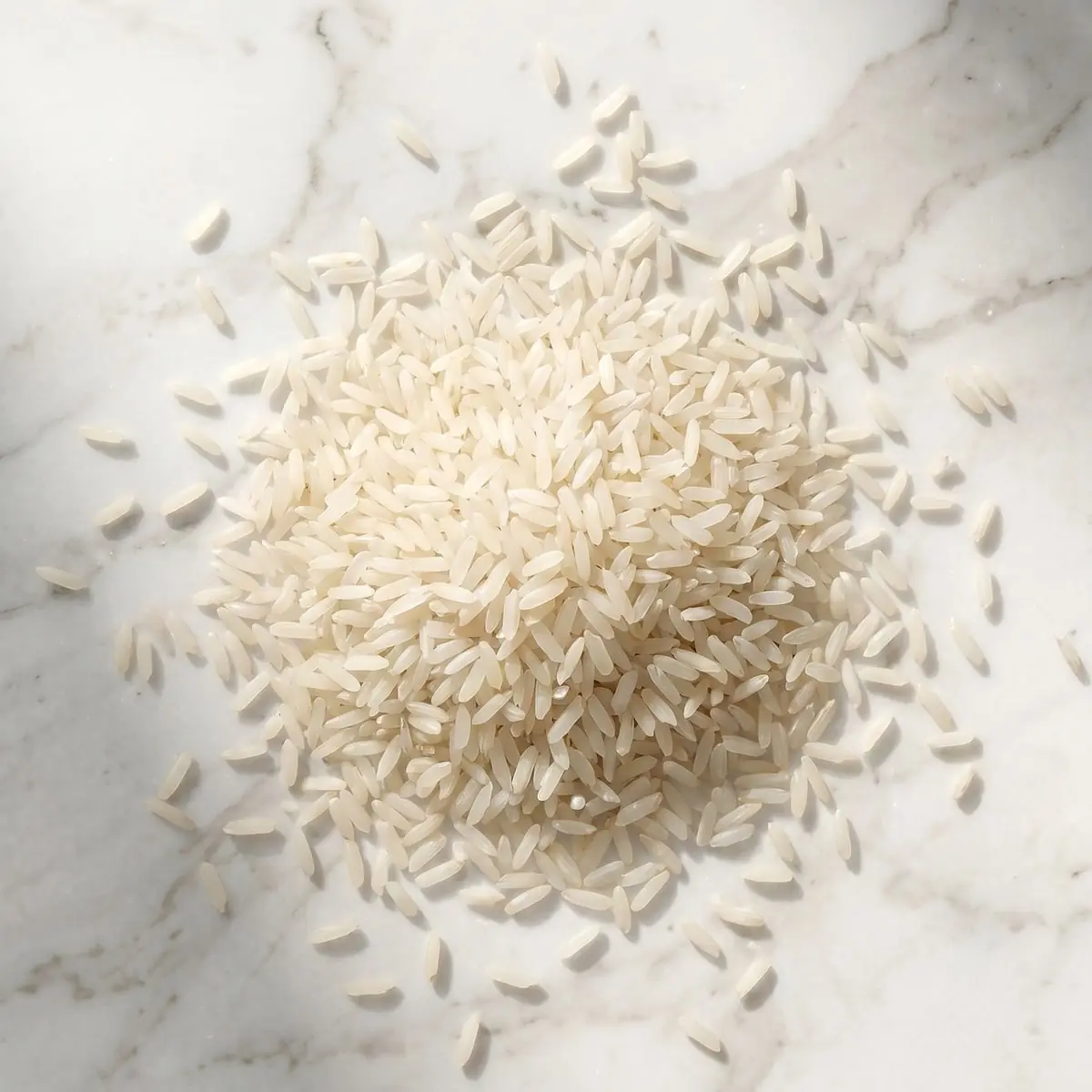
| Alanga | Large, polished white grain. A Khorezm variety. | Cooks softer and takes up plenty of water, so measure the liquid carefully. Common in Khorezm plov. | 15-30 minutes, as for other polished rice |
| Basmati | Long, thin, polished grain. | Springy and separate. A good substitute when devzira is hard to find. | Rinse, then soak 15-30 minutes |
Sellers in different cities do not always mean the same rice by these names, so look at the grain before you buy.
Should you wash and soak rice for plov?
Yes. Rinse the rice several times until the water runs clear. This washes off the surface starch that makes the grains stick together. Soaking then lets the grain take up water in advance, so it cooks through evenly and is not left hard in the middle.
How long depends on the variety. Devzira needs the longest: 2-3 hours, traditionally in warm water. Polished long-grain rice such as lazer or basmati needs 15-30 minutes. Cooks disagree about the water: some soak rice in warm salted water, others only in cold. Do not stir the rice once it is in the kazan.
Is parboiled rice good for plov?
Parboiled rice is steamed in its husk and only then milled, and rice of any variety can be treated this way. The grain turns firmer and less sticky. It hardly ever falls apart, which makes it easy for beginners.
On the other hand, it takes up less flavour from the zirvak, and the texture comes out springier. The lazer and alanga that SLB LATVIA supplies are polished white rice.
Can basmati replace devzira?
Yes, if devzira is hard to find. Basmati stays springy and separate, which is what plov needs. Rinse it and soak it for 15-30 minutes, much less time than devzira needs.
Basmati grains are delicate and break easily when stirred, so leave the rice alone once it goes into the kazan. Long-grain lazer gives a similar result.
Wholesale rice for plov in the EU
SLB LATVIA supplies restaurants, shops and wholesale buyers across the EU. Our rice for plov is in the rice, legumes and oils section of the catalogue:
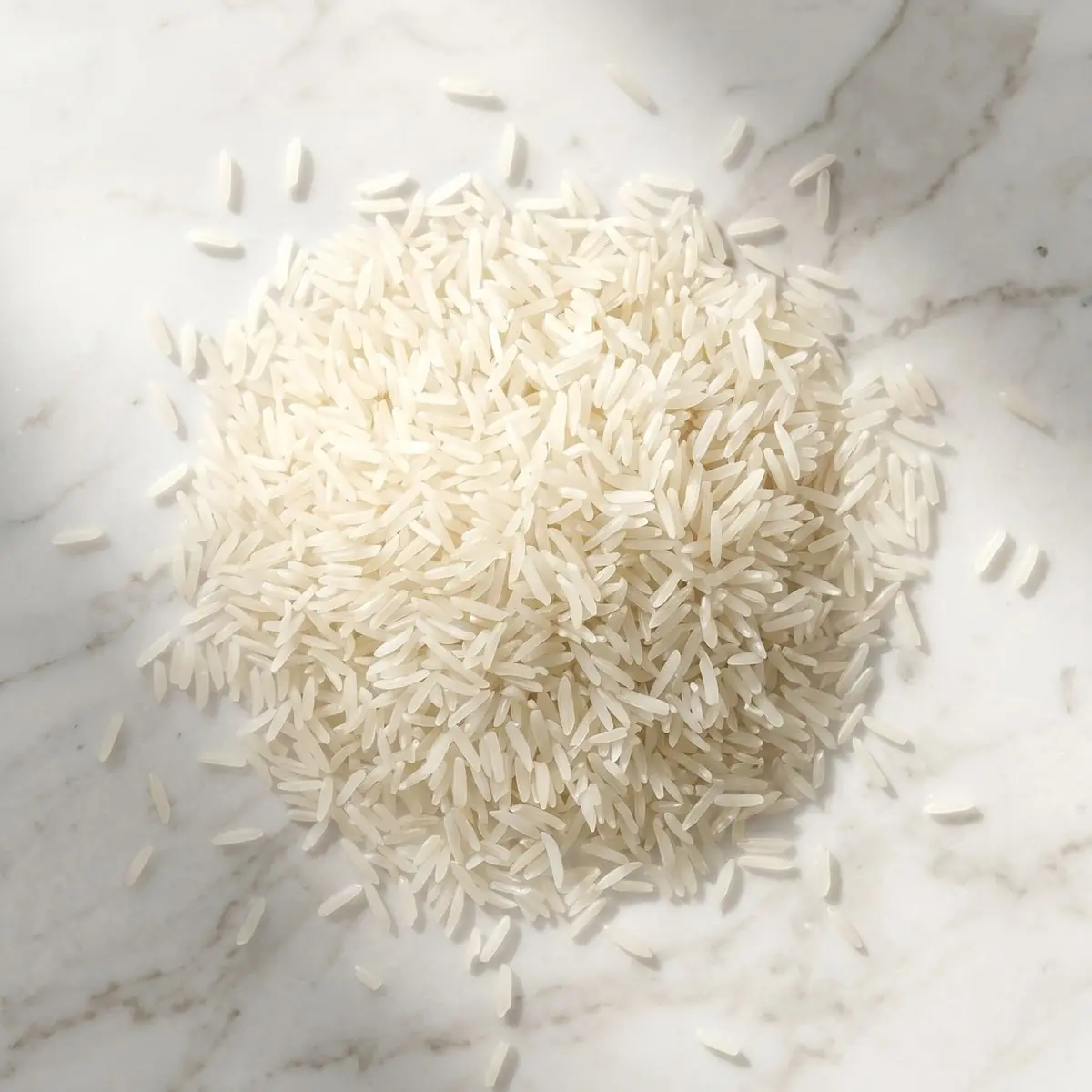
Lazer long-grain rice, polished
- Packaging
- PE bag, 1 kg
- Origin
- Uzbekistan
- Units per case
- 12
- Cases per pallet
- 96
- Packaging
- PE bag, 1 kg
- Origin
- Uzbekistan
- Units per case
- 12
- Cases per pallet
- 96
For prices, volumes and delivery terms, send us an enquiry. We reply within two working days.