Spices for Uzbek plov: zira, coriander, barberry and chilli
Zira is cumin (Cuminum cyminum), not caraway, and nearly every Uzbek plov contains it. Coriander seed, dried barberries, whole dried chillies and black pepper are the usual additions. Most go into the zirvak, the meat, onion and carrot base cooked in the kazan before the rice. Some recipes also scatter zira over the rice.
What is zira, and is it the same as cumin?
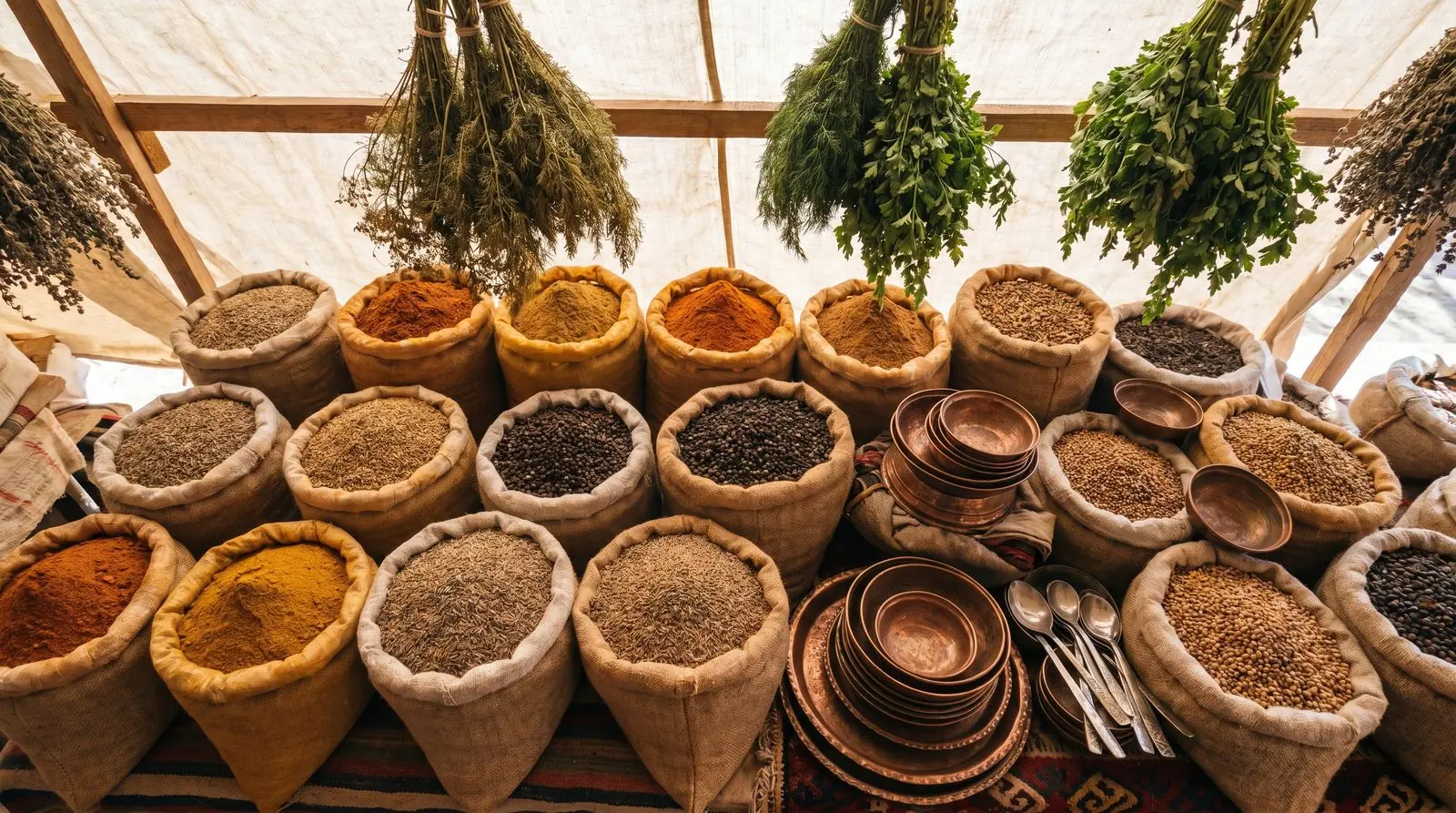
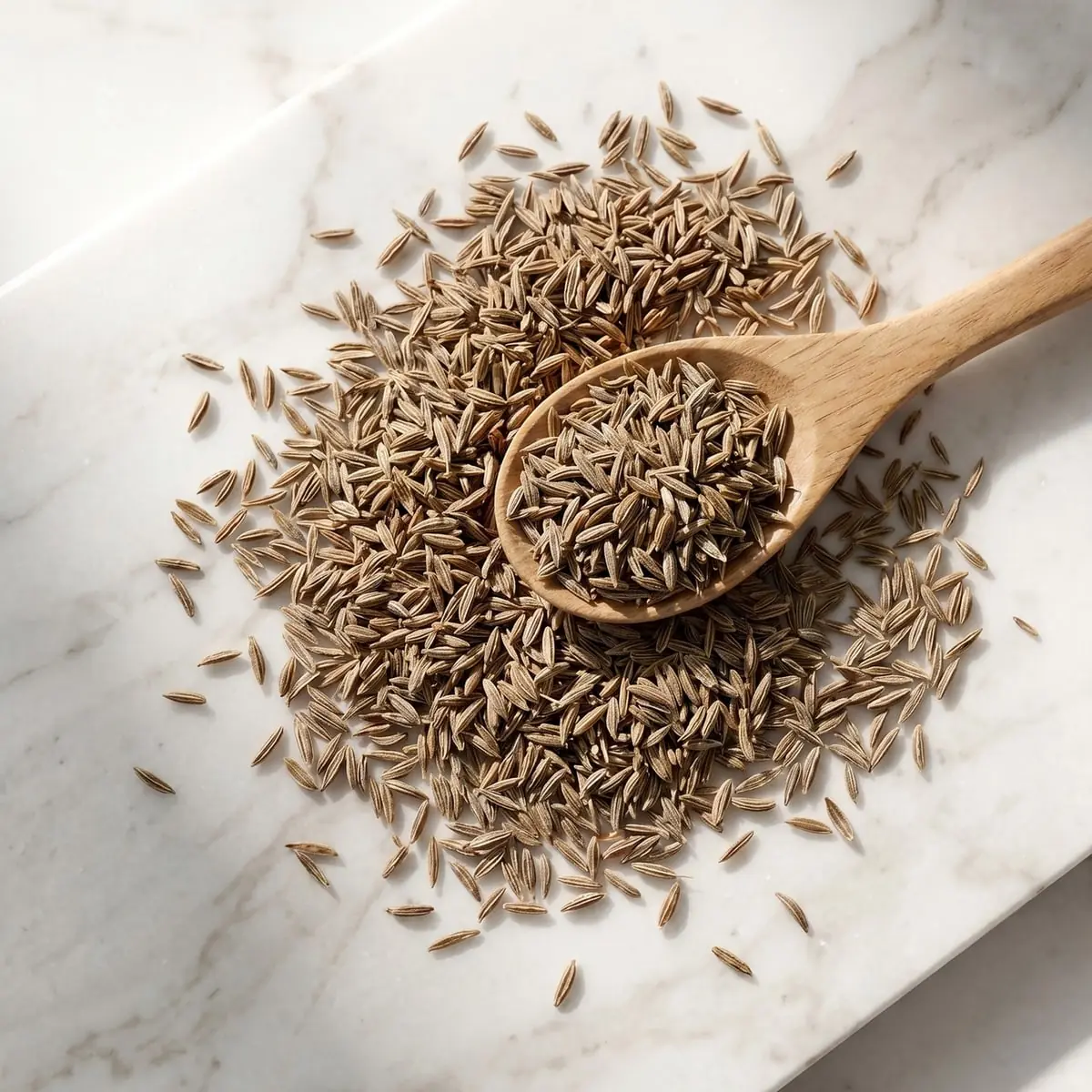
Yes. Zira is the Persian and Central Asian name for cumin. Encyclopaedia Iranica gives the Persian word as zīra and the plant as Cuminum cyminum, an annual of the parsley family (Apiaceae). The spice is the plant's dry fruit, usually called seed: yellowish-brown and about 6 mm long. Britannica describes its aroma as heavy and strong and its taste as warm, reminiscent of caraway. It is used whole or ground.
Black cumin is something else again. The name usually refers to nigella (Nigella sativa), which belongs to the buttercup family. SLB LATVIA sells zira as whole seeds, listed as Zira (cumin seeds), in 10 g and 90 g bags.
Why do people confuse cumin and caraway?
Caraway (Carum carvi) is a related plant from the same family. Its fruits are more curved than cumin's, and in Europe it seasons bread, sauerkraut and cheese. The PROSEA handbook of South-East Asian plants notes that cumin is often confused with caraway in local languages, although the two taste very different.
Most of the confusion comes from the names. In Persia zīra covers caraway as well, and Iranica records that the two are told apart as green zira (cumin) and black zira (caraway). Several European languages build the name for cumin on the word for caraway:
| Language | Cumin (zira) | Caraway |
|---|---|---|
| Russian | зира, кумин; botanical name кмин тминовый | тмин |
| German | Kreuzkümmel, Römischer Kümmel | Kümmel |
| Latvian | kumīns, romiešu ķimenes | ķimenes |
| Lithuanian | kuminas (kmyninis kuminas) | kmynai (paprastasis kmynas) |
| French | cumin | carvi, also cumin des prés |
The Duden dictionary defines Kreuzkümmel as a plant similar to Kümmel, Latvian calls cumin "Roman caraway", and the Lithuanian encyclopedia notes that cumin fruits look like caraway. A Russian recipe that asks for тмин, or a Latvian one that asks for ķimenes, means caraway rather than zira.
Which spices go into Uzbek plov?
When UNESCO inscribed palov culture and tradition on its intangible heritage list in 2016, it described the dish as rice cooked with meat, spices and vegetables. Choosing the rice is covered in our guide to rice for plov. The spices vary with the cook and the region. Smithsonian Magazine's piece on Uzbek plov describes it as cooked with cumin and salt, with coriander, garlic and barberries among the common additions. A Fergana-style recipe published by the Russian magazine Vokrug Sveta, taken from a 2015 cookbook of Central Asian dishes, says zira goes into plov in 99 cases out of 100.
| Spice | What it adds | When it goes in | Whole or ground |
|---|---|---|---|
| Zira (cumin) | Strong, warm aroma | A few pinches while the meat fries, more over the rice near the end | Whole seeds |
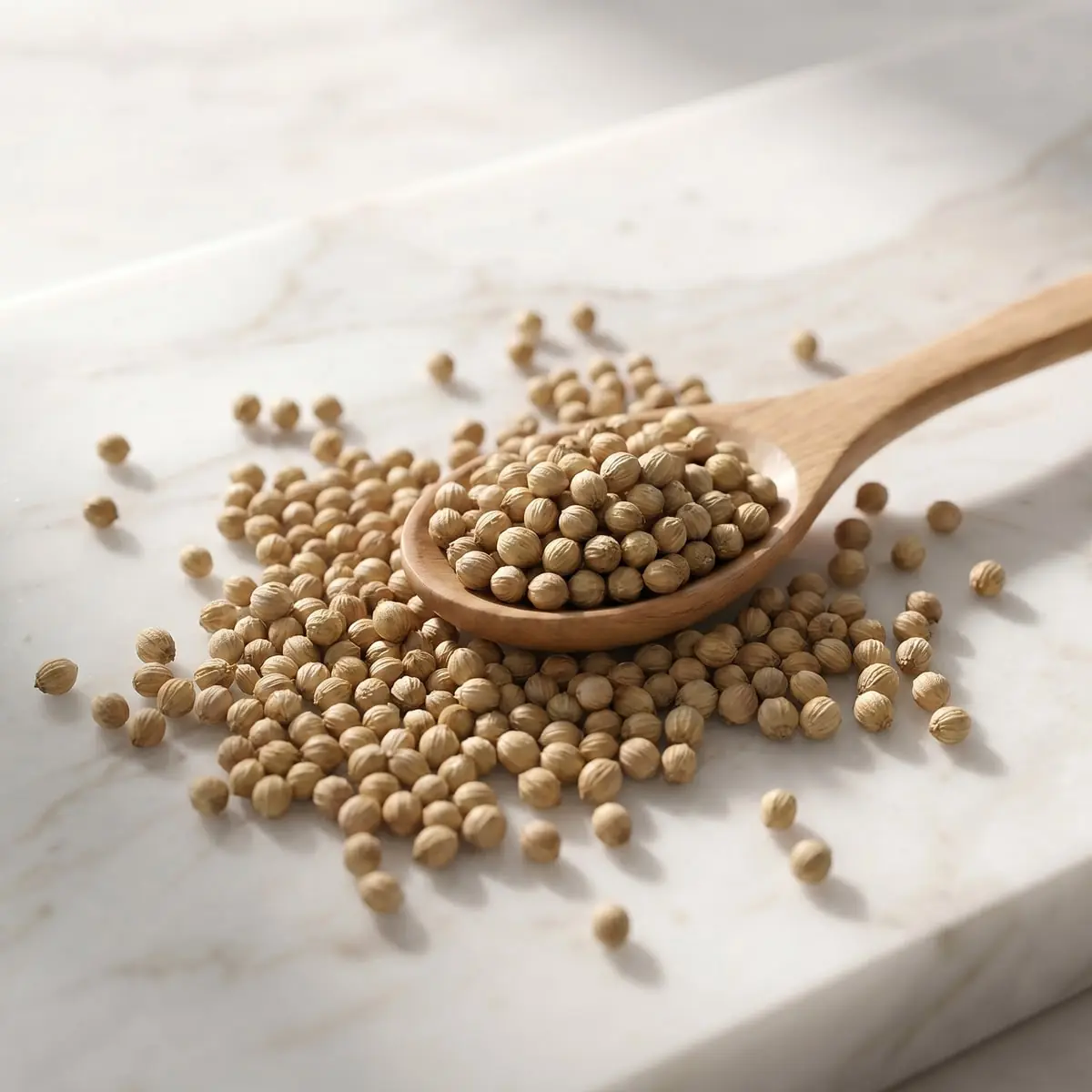
| Coriander seed | Mild flavour of lemon peel and sage | With the carrots, a minute or two before the liquid | Ground, or toasted and ground just before use |
| Dried barberries | Sharp sourness | Into the zirvak | Whole dried berries |
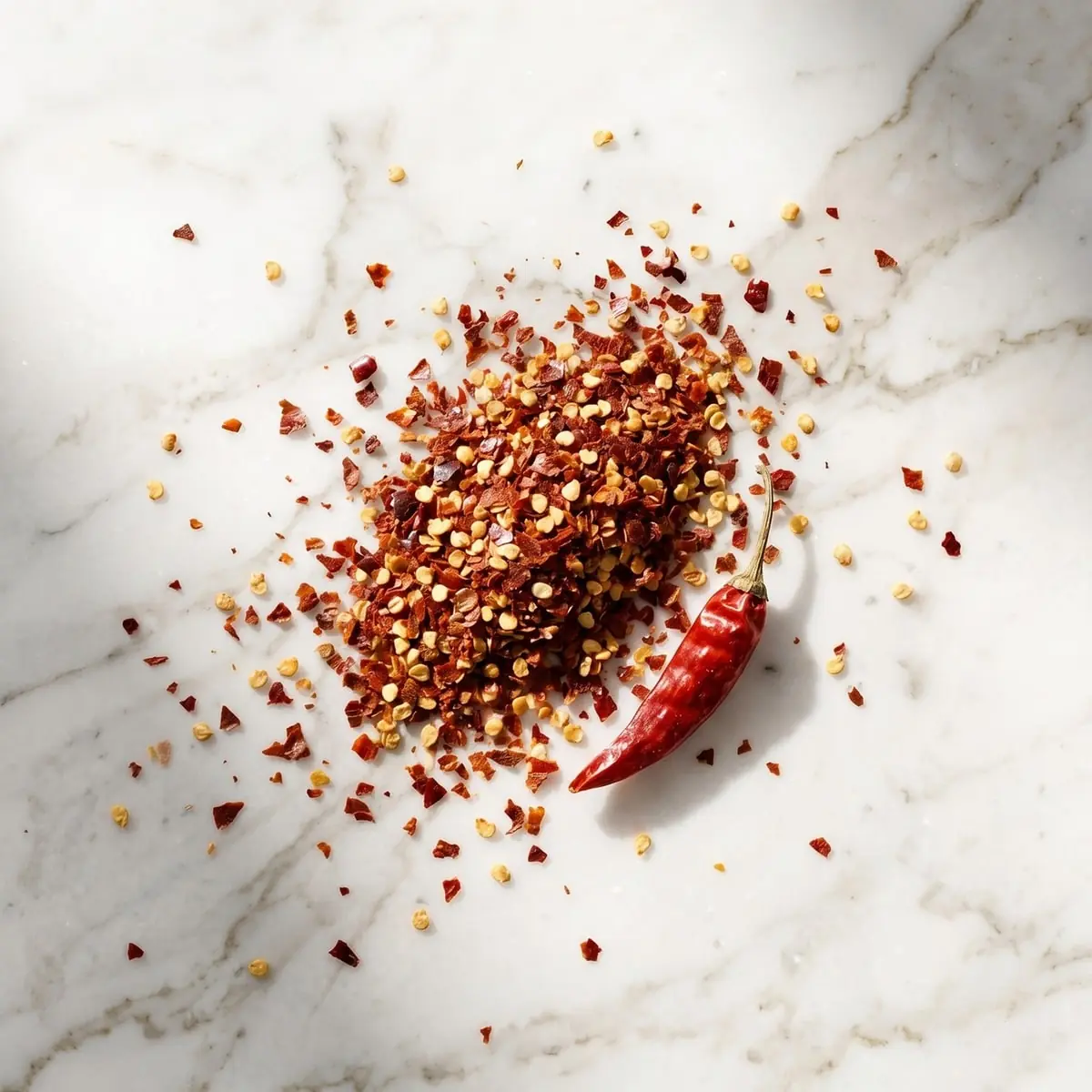
| Dried chilli | Heat | Whole pods into the zirvak; ground or crushed chilli to taste | Whole pods, or crushed |
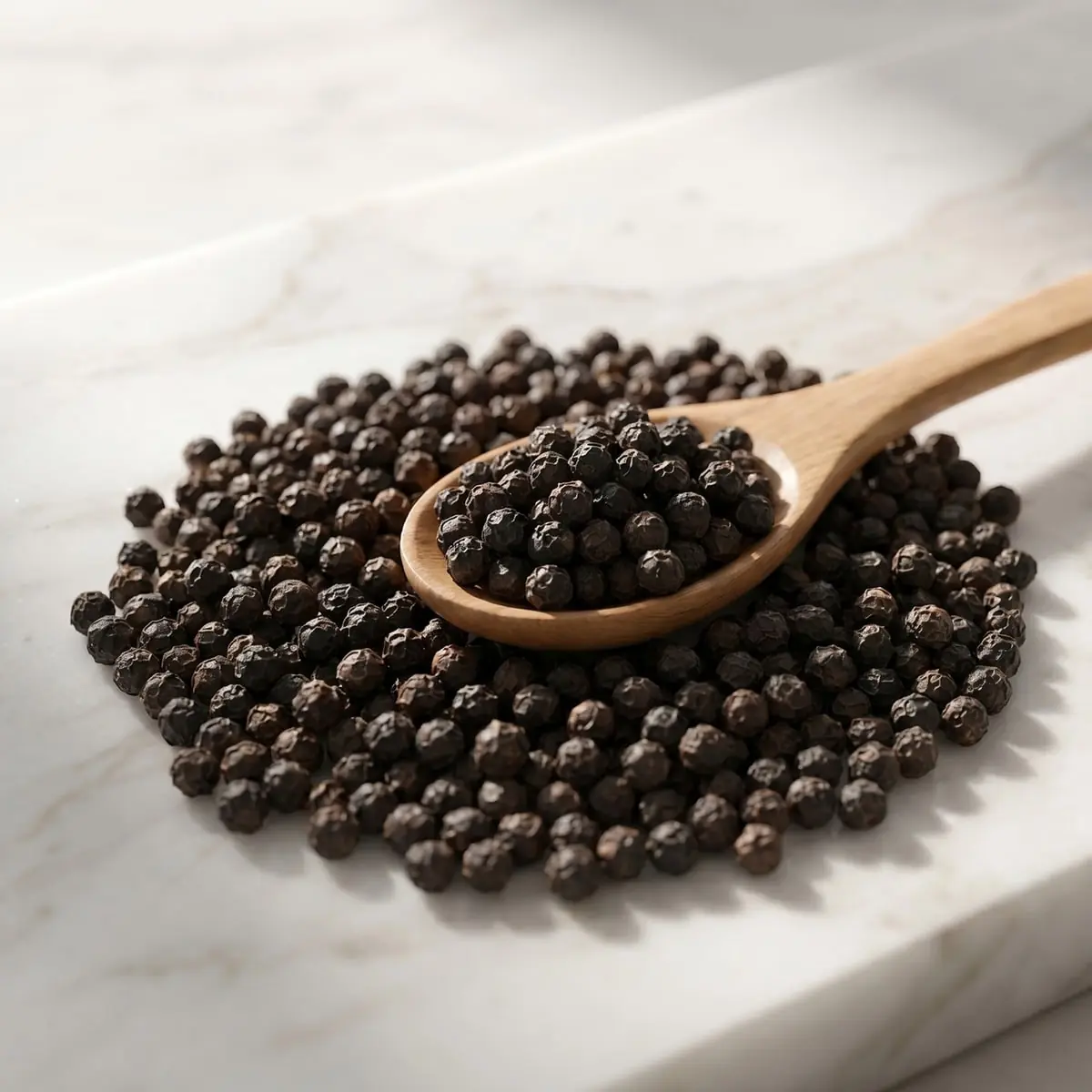
| Black pepper | Pungent heat | Over the meat and vegetables, with the zira, before the water | Whole, or freshly ground |
In the Vokrug Sveta recipe a few pinches of zira go in while the bones and meat fry, and several more are scattered over the rice towards the end. Measure it: the University of Kentucky extension service warns that too much cumin easily overpowers other spices.
Coriander seed comes from the same plant as the fresh leaf sold as coriander or cilantro, and Britannica compares its taste to lemon peel and sage. In the plov recipe from America's Test Kitchen (ATK), ground cumin and ground coriander go in with the grated carrot and cook for a minute or two before the liquid. SLB LATVIA's coriander seeds come whole, in 50 g bags.
Dried barberries are the small red berries of shrubs of the genus Berberis. ATK describes them as strikingly tart, close to unsweetened dried cranberries, and notes that Middle Eastern grocers sell them as zereshk and that they are best soaked briefly in hot water before going into rice. SLB LATVIA does not sell barberries, so they have to come from another supplier.
Whole dried chilli pods go into the zirvak with whole heads of garlic. According to the Vokrug Sveta recipe, a pod that stays intact does not change the taste of the plov; it is served on the side, like the garlic, for anyone who wants heat. The same recipe adds ground hot pepper to taste, and crushed hot pepper, which SLB LATVIA sells in 15 g bags, can be used the same way.
Black pepper is the dried fruit of Piper nigrum, a plant native to the Malabar Coast of India. In the plov recipe Smithsonian Magazine printed from an Uzbek restaurant, cumin and black pepper go over the meat and vegetables just before the water is added. SLB LATVIA sells black peppercorns whole, in 10 g bags.
How much zira goes into plov per kilo of rice?
Published recipes differ a lot. These are the amounts two of them give:
| Recipe | Rice | Zira (cumin) | Coriander | Barberries | Hot pepper | Black pepper |
|---|---|---|---|---|---|---|
| Fergana plov, Vokrug Sveta | 1 kg | 1½ to 2 tsp, whole | none | 1 tbsp | 2 or 3 whole dried pods, plus ground pepper to taste | none |
| Plov, America's Test Kitchen (2019), serves 4 | 1 US cup of basmati | 1 tbsp, ground | 2 tsp, ground | 2 tbsp | none | ½ tsp |
The American recipe uses far more cumin for the amount of rice. Smithsonian's restaurant recipe leaves cumin and black pepper to taste. When you work out a ratio for your own kitchen, start with the lower amount and taste.
Whole seeds or ground spice?
The University of Kentucky extension service explains the trade-off. Whole spices take longer to release flavour, ground ones release it quickly, and once ground a spice gradually loses flavour, so freshly ground gives the most. The PROSEA handbook adds that cumin fruits keep well for a long time if stored dry.
For plov, zira goes in whole. If only Indian cumin is to hand, the Vokrug Sveta recipe suggests warming it in a dry pan and crushing it coarsely, because its author finds Central Asian zira smaller, darker and much more aromatic. A cook quoted by Smithsonian says much the same about cumin from Uzbekistan. Coriander and black pepper can also be bought whole and ground as needed, which gives a kitchen one stock for plov and for marinades.
How should spices be stored?
The Kentucky guidance is a cool, dry place out of sunlight. SLB LATVIA's catalogue gives the same storage for every spice and herb in the range: a cool, dry, dark place at +5 to +20 °C, protected from light, with a shelf life of 12 months. In a kitchen that means a closed cupboard away from the stove, with opened bags sealed again.
| SLB LATVIA product | Pack |
|---|---|
| Zira (cumin seeds), whole | PE bag, 10 g or 90 g |
| Coriander seeds | PE bag, 50 g |
| Black peppercorns | PE bag, 10 g |
| Crushed hot pepper (chilli flakes) | PE bag, 15 g |
| Plov seasoning | PE bag, 50 g |
Every pack size ships 48 bags to a case and 120 cases to a pallet.
How do you order plov spices wholesale from SLB LATVIA?
SLB LATVIA imports food from Uzbekistan for hotels, restaurants and cafés, shops and wholesale buyers in the EU. The spices and herbs range covers the whole seeds above, dried dill and parsley, shashlik seasoning and a ready-blended plov seasoning. The site does not list what goes into the blend, so ask for its specification when you write.
Send the products and quantities you need through the enquiry form. The team replies within two working days, in English, Latvian, Russian or Uzbek. Wholesale prices, minimum order quantities and lead times are shared after a short due-diligence exchange, under NDA. Goods clear customs in Rīga and ship EXW Rīga, CIP or DAP.
- Origin
- Uzbekistan
- Packaging
- PE bag, 50 g
- Origin
- Uzbekistan
- Units per case
- 48
- Cases per pallet
- 120
- Packaging
- PE bag, 10 g
- Origin
- Uzbekistan
- Units per case
- 48
- Cases per pallet
- 120
Crushed hot pepper (chilli flakes)
- Packaging
- PE bag, 15 g
- Origin
- Uzbekistan
- Units per case
- 48
- Cases per pallet
- 120
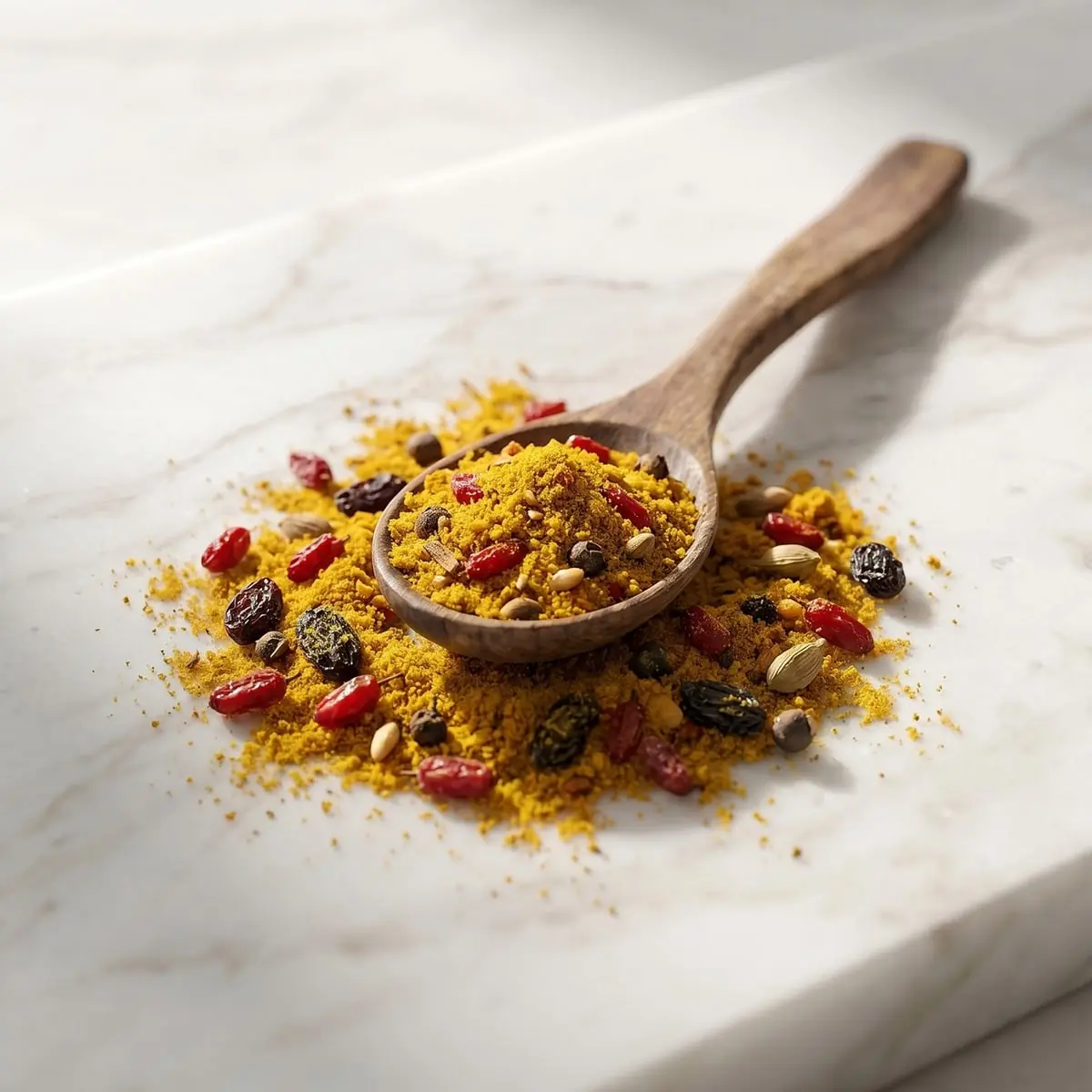
Plov seasoning (pilaf spice mix)
- Packaging
- PE bag, 50 g
- Origin
- Uzbekistan
- Units per case
- 48
- Cases per pallet
- 120