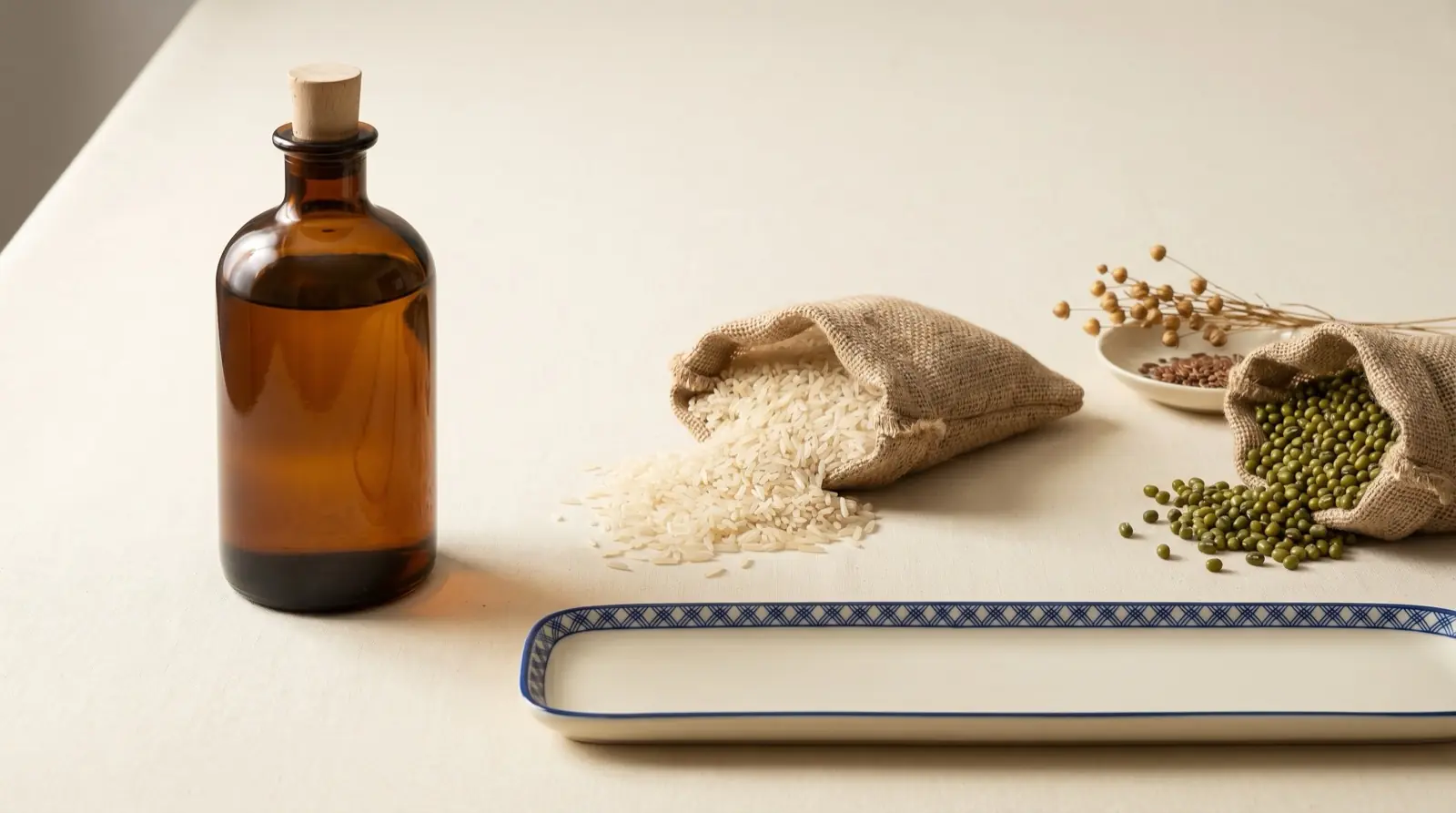
Rice for Uzbek plov: which variety to choose
Devzira, lazer, alanga, chungara or basmati: which rice suits Uzbek plov, how the varieties differ, and how long to rinse and soak each one.
Each guide answers the questions chefs and buyers ask about one Uzbek ingredient or piece of tableware, and links to the products we supply.
Devzira, lazer, alanga, chungara or basmati: which rice suits Uzbek plov, how the varieties differ, and how long to rinse and soak each one.
Devzira is the Fergana Valley rice for festive Uzbek plov: a lightly milled, reddish grain. How to rinse and soak it, how it compares, and how to order.
Cottonseed oil is the everyday Uzbek oil for plov and frying: a refined, neutral oil with a high smoke point. How it is used, how it compares, and how to order.
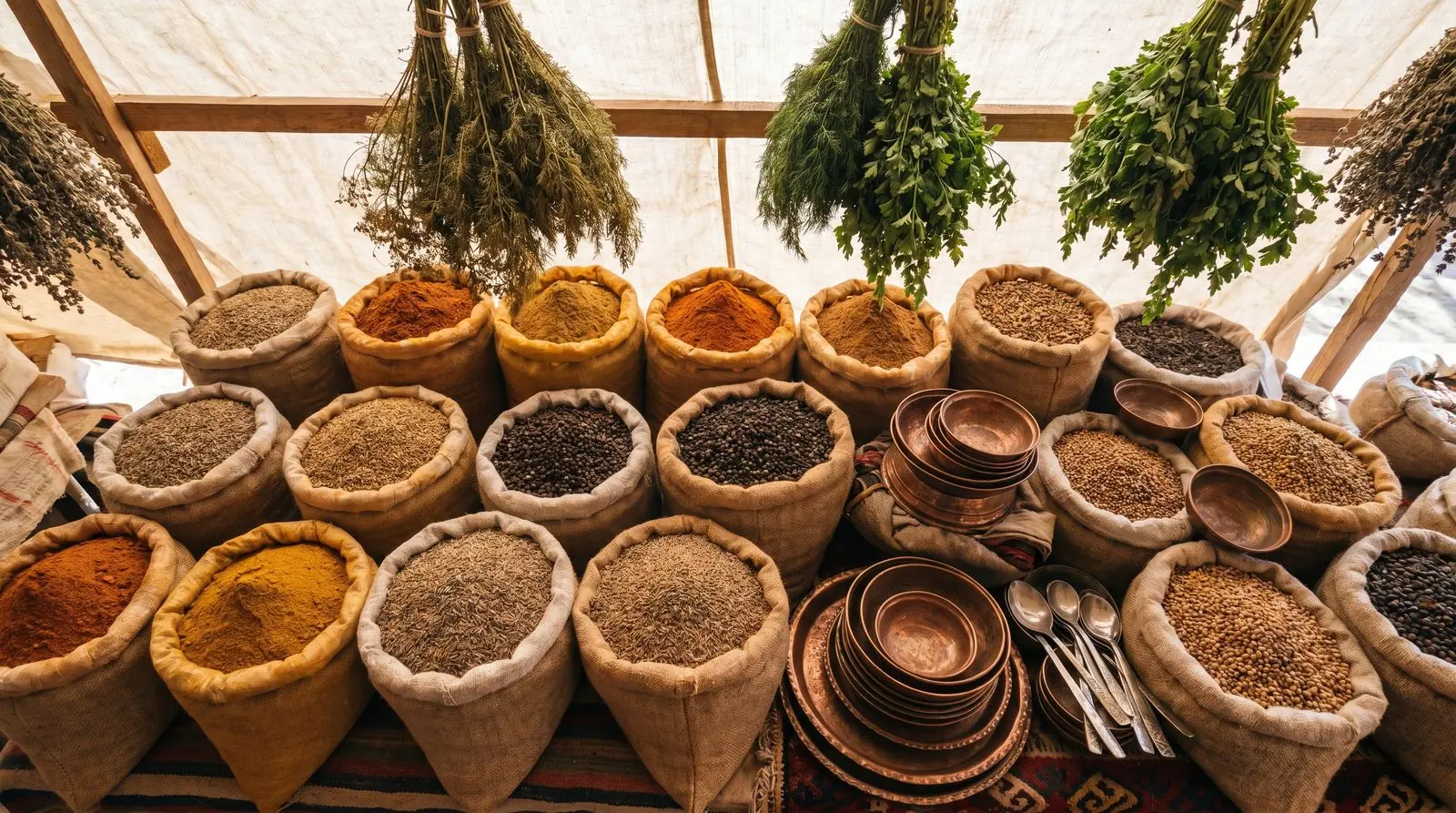
Zira is cumin, not caraway. What coriander, barberries and dried chilli add to Uzbek plov, how much goes in per kilo of rice and how to store whole spices.
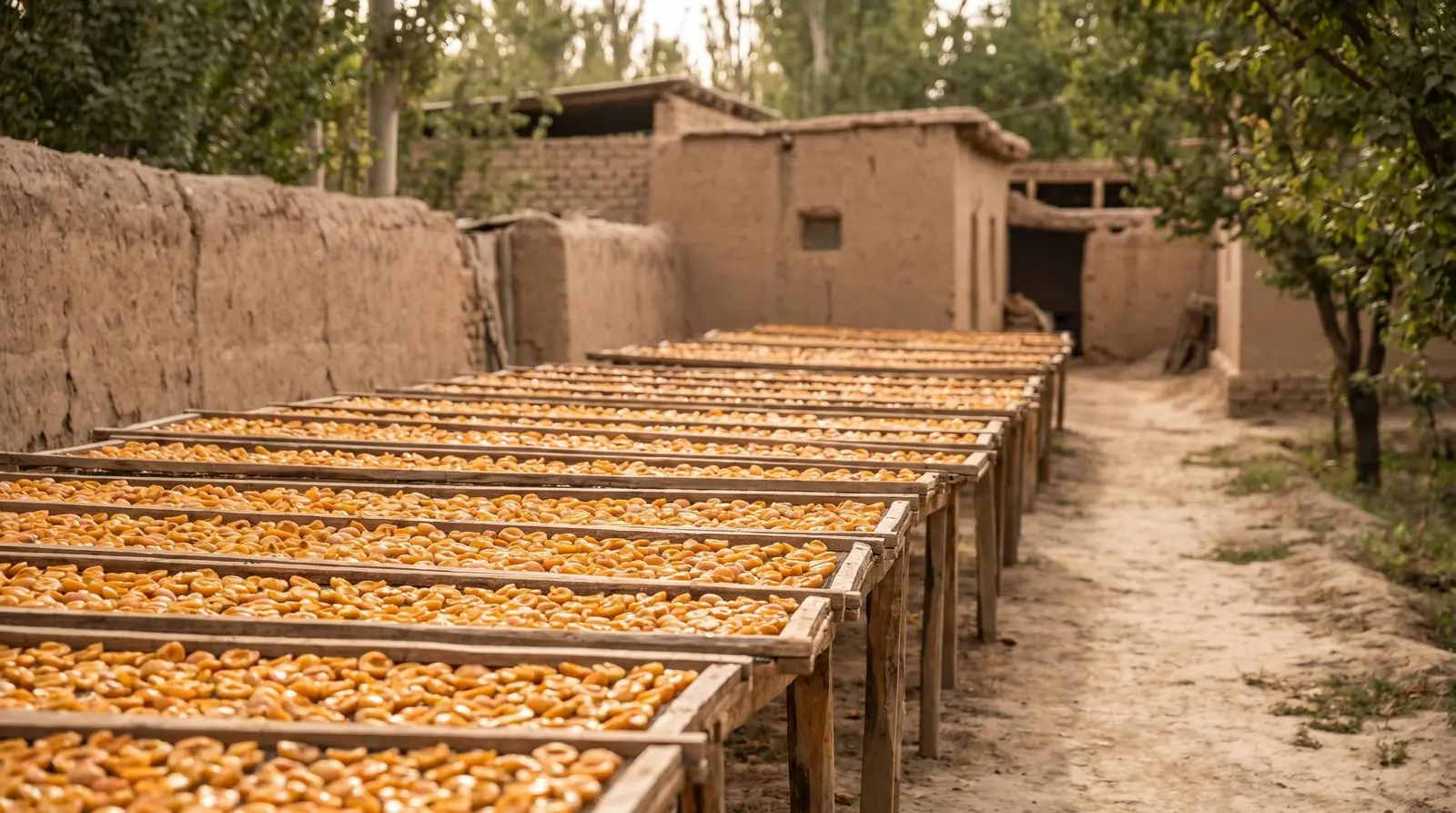
Kuraga, kaisa or uryuk: how they differ, why dried apricots turn out orange or brown, EU sulphite labelling, UNECE grades and storage.
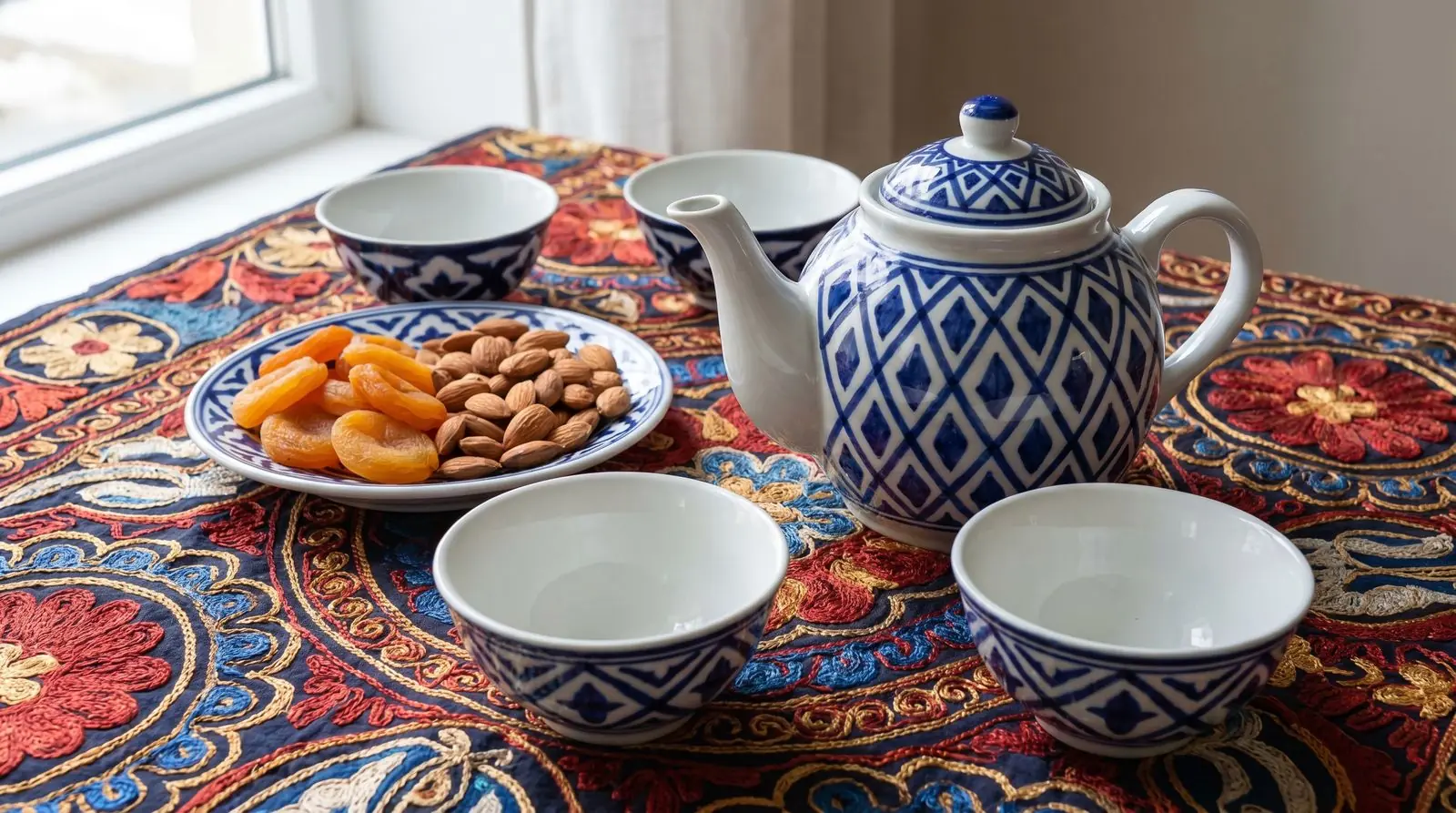
What a lagan, piala, kosa and choynak are, how plov and tea are served, what Rishtan ceramics are, and how to choose Uzbek serveware for a restaurant.
Mung beans, or mosh, are the Uzbek legume for mastava, mosh-kichiri and soups: quick-cooking and firm. How they are used, how they compare, and how to order.
Uzbek raisins, or kishmish, go into plov, pilafs and the tea table: aftobi for cooking, golden and soyaki for snacking. How they are used and how to order.
An Uzbek tea set is the choynak teapot and piala bowls, the way tea is served across Uzbekistan. The pieces, how many to order, and how to buy wholesale.
Zigir oil is Uzbek cold-pressed flax oil: deep gold and nutty, a finishing oil for the table, not for frying. How it is used, how it compares and how to order.
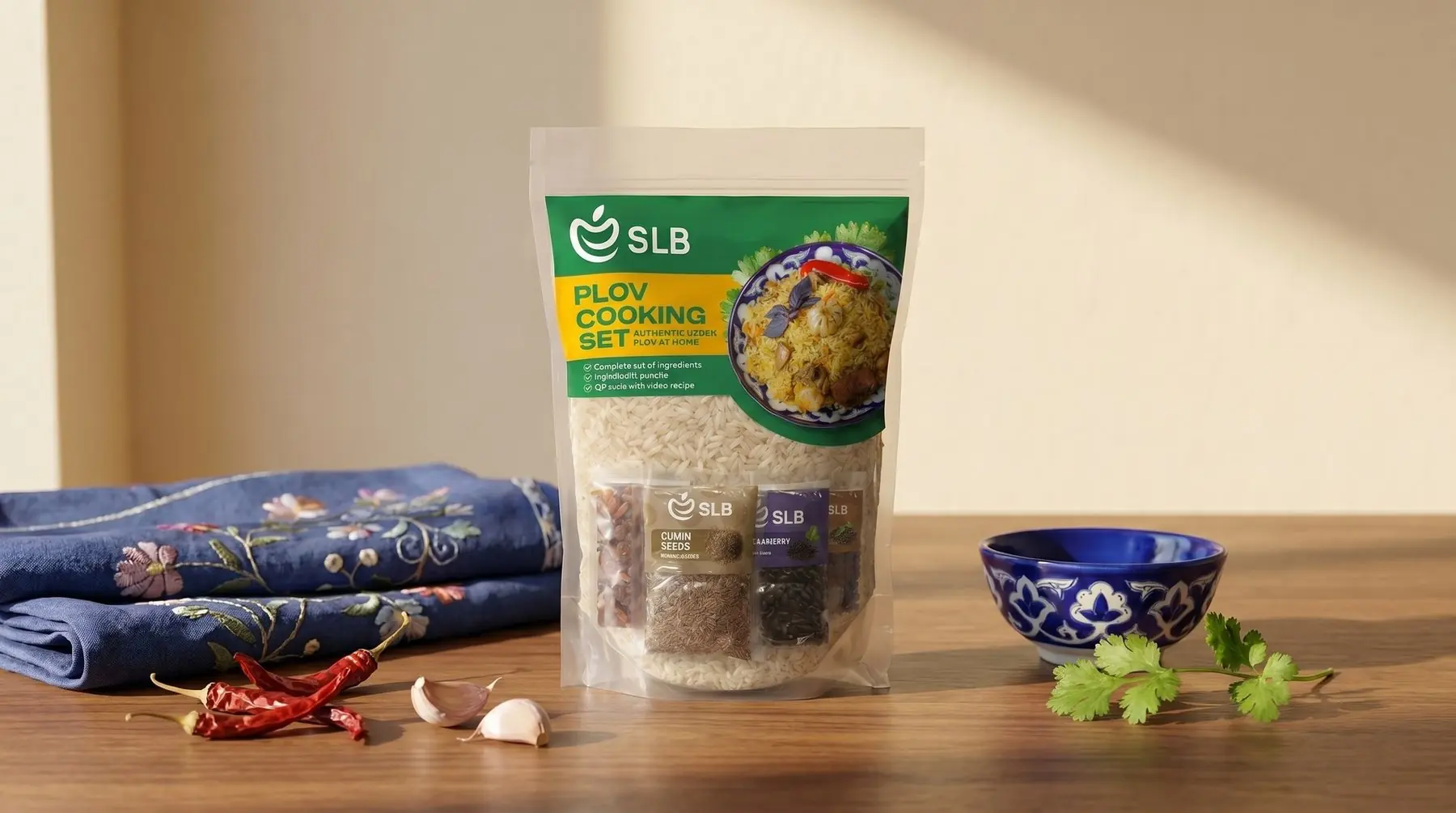
Tomato paste builds the zirvak for Uzbek plov and the base of lagman and shurpa. What it is, how much to use, how it compares and how to order wholesale.
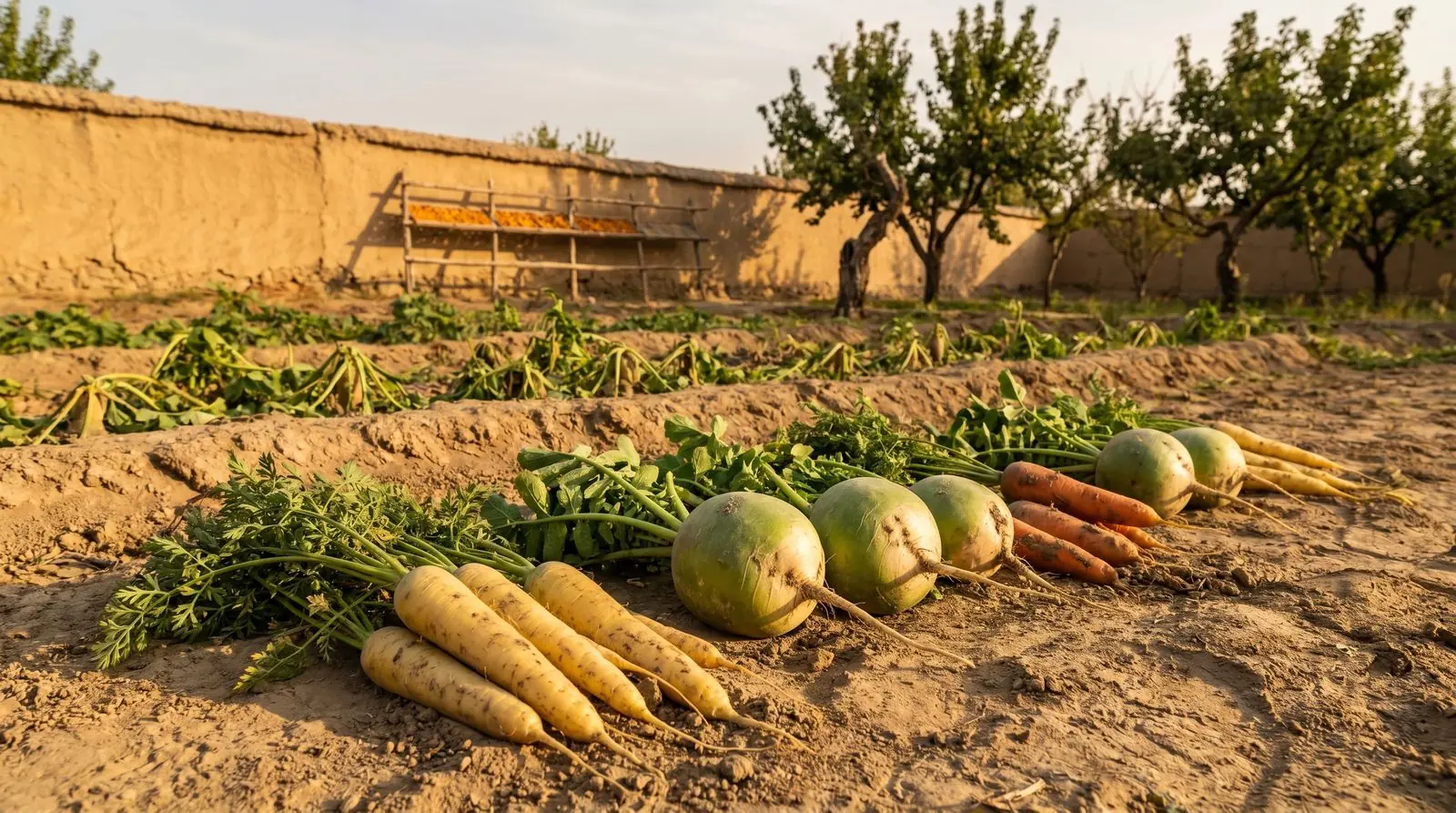
Uzbek home-style preserves: marinated garlic, lecho, adjika and pickled tomatoes, the zakuski that open a meal. How they are served, compared and ordered.
Red kidney beans from Uzbekistan for soups, stews and lobio: what they are, how to cook dried beans, how they compare to mung beans and how to order wholesale.
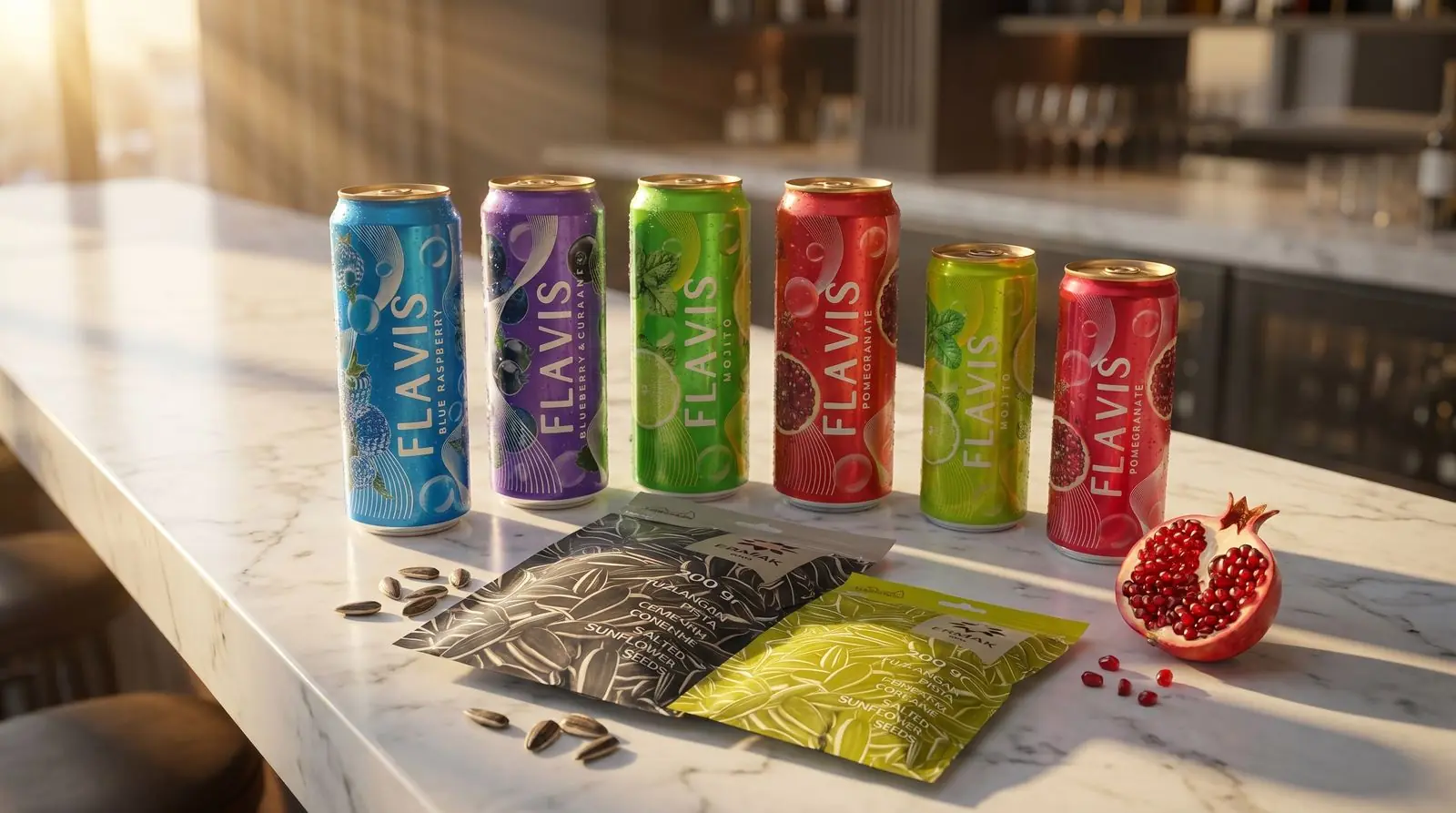
ERMAK roasted sunflower seeds from Uzbekistan, salted and unsalted: the snack eaten over tea, the bag sizes they come in and how to order wholesale.
Grape leaves in brine from Uzbekistan for dolma: what they are, how to stuff and roll them, how they compare to cabbage, and how to order wholesale.
A portable tandir oven from SLB LATVIA for baking Uzbek non, samsa and skewered meat: what a tandir is, how to fire it and how to order one wholesale.
FLAVIS sodas from SLB LATVIA for cafes, shops and tea tables: pomegranate, mojito, blueberry and currant, blue raspberry, and how to order them wholesale.
Shashlik seasoning and dried herbs from SLB LATVIA for grilled skewers: what goes in the blend, how to marinate and grill, and how to order wholesale.
A one-kilogram pilaf kit from SLB LATVIA: the dry ingredients for plov in one bag, what it replaces and how to order the osh set wholesale.
Apple, pumpkin and carrot purée from SLB LATVIA in 430-gram glass jars: what each one is, what to bake or cook with it and how to order wholesale.
Uzbek porcelain serving dishes from SLB LATVIA: trays, salad bowls and round plates for the table, how they are used and how to order them wholesale.